January 28, 2026
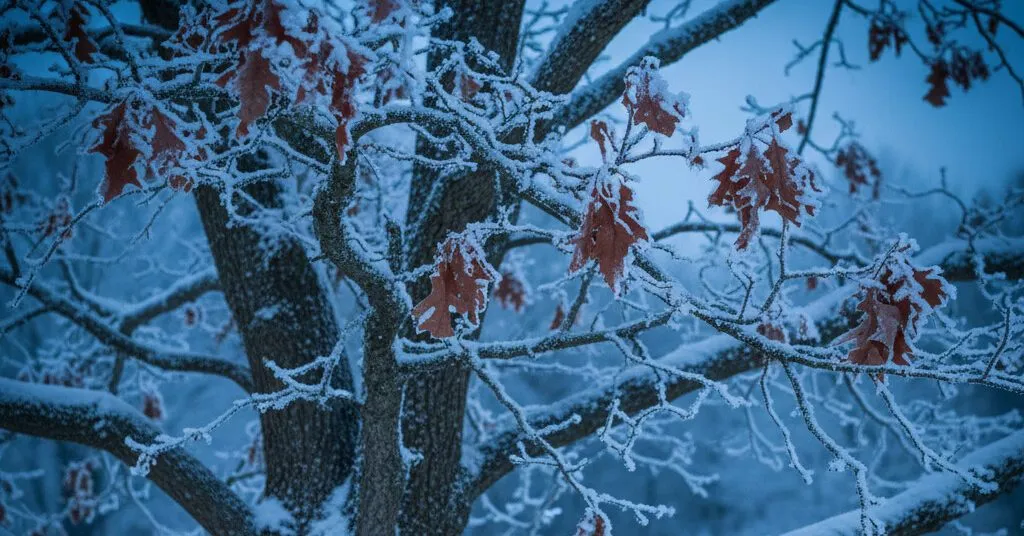
Tree dormancy is a natural rest period when a tree is alive but not actively growing, triggered by shorter days and cooler weather, so it can survive winter conditions. Deciduous trees often lose all their leaves, and evergreens slow their growth, but inside the tree, buds and tissues are simply paused until temperatures and day length signal spring.
In plant physiology, dormancy is defined as a period of arrested growth that helps plants survive times of cold or drought, and this concept is widely used when talking about how trees “sleep” through winter. That quiet winter appearance can make it difficult to know whether a tree in Pace, Pensacola, or Milton is just resting or actually dying and unsafe, which is where a few practical checks and, when needed, a certified arborist come in.
Dormancy in plants is a survival strategy that allows them to pause growth and resume later when conditions improve, which fits what many homeowners see with bare winter trees that leaf out again in spring.
Key Takeaways
- Dormant trees are alive but “asleep” for winter, with slowed growth and no leaves on many species.
- A dying or dead tree shows progressive problems each year, such as bare branches, peeling bark, and no green tissue under the bark in late winter.
- Simple checks at home, like scratching twigs, bending small branches, and watching spring leaf-out, can tell you a lot before you call for removal.
- Winter damage, such as browning needles or cracked bark, does not always mean the tree is dead; some trees recover with pruning and good care.
- When in doubt, have a certified arborist inspect trees that overhang homes, driveways, or neighbors’ property before making big decisions.
How Healthy Dormant Trees Look In Winter
A healthy dormant tree has a stable structure and buds ready for spring, even if its branches look bare. On deciduous trees, you should see firm twigs, plump buds at the tips and along branches, and bark that looks intact rather than peeling away in sheets.
Evergreens in winter should hold most of their needles, with color that may be slightly duller but still generally green or blue-green, depending on the species. According to Wisconsin Extension research, some needle drop of older inner needles is normal, so browning only near the trunk does not automatically mean the tree is dying.
Basic Definition: Dormant vs Dying Tree
A dormant tree is alive but not actively growing, with internal processes slowed down until light and temperatures rise enough to restart growth in spring. A dying tree has ongoing damage or stress that it cannot recover from, and a dead tree has no living tissues left in the branches or trunk.
In practice, this means a dormant tree will usually show buds that eventually swell and open, some green tissue in twigs when scratched, and a pattern of normal leaf-out most springs. A dying or dead tree instead shows no bud activity, no green under the bark on many branches, increasing deadwood, and often visible defects like cracks, cankers, or loose bark.
Simple At-Home Tests To Check Your Tree
Homeowners in Pace and Pensacola can use a few simple checks during late winter to get a first read on whether a tree is just dormant or in serious trouble. These do not replace a professional assessment, but they help you decide when to call an ISA Certified Arborist for tree removal or evaluation.
Here are three easy tests:
Scratch test: Use your fingernail or a pocketknife to lightly scratch the bark on a small twig. Living wood just under the bark is usually green or moist, while dead twigs are dry and brown or gray. University of California research recommends this as one of the most reliable home tests for checking tree vitality.
Bend test: Gently bend a small twig. If it flexes and springs back, it is likely alive, but if it snaps cleanly and feels brittle, it is probably dead. Michigan State University Extension notes that this simple test helps distinguish living from dead wood without specialized equipment.
Bud check: Look for plump buds at the ends of twigs. Flat, shriveled, or missing buds are a warning sign, while full buds usually signal that the tree is still alive and resting.
Dormant Tree Or Dying Tree?
| What you see in winter | More likely dormant | More likely dying or dead |
| Buds on twigs | Buds are plump and firmly attached | Buds shriveled, flat, or missing |
| Twig scratch test | Green or moist layer under thin bark | Brown, dry, or gray with no green |
| Branch flexibility | Small twigs bend without snapping | Twigs snap easily and feel brittle |
| Leaf behavior last spring | Normal leaf-out and full canopy | Sparse leaves, many bare branches |
| Bark condition | Bark intact, no large loose sections | Bark peeling off in sheets or chunks |
| Fungi or decay | No visible mushrooms or soft wood | Mushrooms, soft spots, or cavities |
Real Winter Damage vs True Decline
Winter can damage even healthy trees, especially when wind, cold snaps, and sun all hit at once. Typical winter injuries include browning needles on evergreens, cracked bark on the south or southwest side of trunks, and broken branches from heavy snow or ice. Iowa State Extension explains that this kind of damage may look alarming in February, but many trees will push new growth in spring and recover if the main structure and root system are still sound.
The key is to wait until after normal leaf-out time to see what parts of the tree stay bare before making big pruning or removal decisions.
First-Hand Story: A “Dead” Maple That Was Just Late To Wake Up
On a job in the Pensacola area, the D’s Trees crew was called to remove what the homeowner was sure was a dead maple that had not leafed out while neighboring trees were already green. A closer look found living green tissue just under the bark in many smaller branches, plus a few swelling buds high in the canopy.
Instead of removing the tree immediately, our ISA Certified Arborist recommended waiting two more weeks and then pruning only the branches that stayed bare. By early May, the tree had leafed out on about two-thirds of the canopy, and only the truly dead branches were removed with careful tree trimming, saving the tree and the cost of a full removal.
Red Flags That A Tree May Be Dying Or Dead
Some signs point more strongly toward serious decline rather than normal dormancy or minor winter damage. If you see several of these at once, especially on a tree near your home or driveway, it is time for a professional hazard assessment.
Key red flags include:
- Large sections of the canopy that stayed bare last spring and never leafed out at all. Penn State Extension notes this is one of the clearest signs of tree death or severe decline.
- Bark peeling away in large sheets, with dry wood or sunken “dead-looking” patches underneath. University of Maryland Extension identifies loose bark as a key indicator of cambium death.
- Mushrooms, conks, or other fungi growing from the trunk or around the root flare can signal internal decay. Utah State Extension research explains that fungal fruiting bodies indicate the tree has been compromised for months or years.
- Deep cracks in the trunk, large cavities, or visible rot around old pruning cuts or storm wounds.
- Noticeable lean that has recently increased, heaving soil around the base, or roots that appear lifted from the ground.
How Long To Wait Before Deciding A Tree Is Dead
Patience is important with trees that are slow to break dormancy, especially after a harsh or unusual winter. University of Illinois Extension guidance often suggests waiting until after the typical leaf-out time for your area before declaring a tree dead, since cold or late springs can delay bud break.
In practical terms, that means comparing the suspect tree to others of the same type nearby once spring is well underway. If similar trees are fully leafed out and yours still has large bare sections with no bud activity, those branches or that tree are likely no longer living.
Why Trees Die in Winter (Even Though They Are Dormant)
Trees that were already stressed, diseased, or damaged going into winter are more likely to die during the dormant season, even though cold weather itself is rarely the direct cause along the Gulf Coast. Purdue Extension explains that while trees are dormant above ground, root systems continue operating until soil temperatures drop near freezing.
Common reasons trees fail to come out of dormancy include:
- Summer drought stress: Trees that went into fall with depleted root systems and low carbohydrate reserves often do not have the energy to survive winter and resume growth in spring.
- Root damage from construction or grading: Trees with severed or compacted roots may look fine through fall but decline rapidly in winter as the damaged root system cannot support the tree through dormancy.
- Pest and disease pressure: Borers, cankers, and root rot that started earlier in the year often finish off trees during winter when the tree’s defenses are lowest.
- Freeze damage: While rare in Northwest Florida, hard freezes below 20 degrees can crack bark, split trunks, and kill cambium tissue, especially on young, thin-barked trees or tropical species not adapted to cold.
- Old age and natural decline: Older trees nearing the end of their lifespan may simply shut down during winter and never wake up, a natural part of the tree life cycle.
Gulf Coast Conditions: What Makes Pace And Pensacola Different
Winter along the Florida Panhandle is unpredictable. One week might bring sunny 70-degree days, and the next could drop to the low 20s with frost warnings. This climate variability makes it harder to tell if a tree is simply adjusting to dormancy or struggling with damage from drought, pests, or storms earlier in the year.
Sandy soils common around Pace, Gulf Breeze, and Cantonment drain quickly, which means tree roots can dry out even in winter if rainfall is scarce. Coastal winds off Pensacola Bay can desiccate foliage on evergreens, especially after a dry fall, leading to browning that looks like death but may be recoverable winter burn.
Common Species and Their Winter Appearance in Northwest Florida
Different tree species show different dormancy patterns, which can be confusing if you are not familiar with what is normal. Here is what to expect from common trees around Pace and Pensacola:
- Live Oaks: These are evergreen and should keep most of their foliage through winter, though they drop some older leaves in late winter and early spring. If a live oak is completely bare or has large sections with brown, dead foliage, it is stressed or dying, not dormant.
- Southern Magnolias: Another evergreen that holds glossy green leaves year-round. Brown, crispy leaves that do not drop are a sign of winter burn, drought stress, or disease, not dormancy.
- Pines (Longleaf, Slash, Loblolly): Evergreen conifers that keep their needles unless stressed. Browning needles that stay attached or fall in clumps indicate problems, not normal dormancy.
- Red Maples and Sweet Gums: Deciduous trees that lose all their leaves in fall and stand completely bare through winter. This is normal, expected dormancy. Dead red maples will have brittle twigs, no buds, and loose bark.
- Dogwoods and Redbuds: Small ornamental trees that go fully dormant and lose leaves. Healthy specimens show tight bark, flexible twigs, and visible buds by mid-winter.
- Crape Myrtles: Deciduous ornamentals that look completely dead in winter with bare, smooth bark. Scratch tests and bud checks are especially important on crape myrtles because their appearance can be deceiving.
Safety First: When To Call A Certified Arborist In Winter
Trees that are dead or structurally unsound can be hazardous, especially when winter storms or Gulf Coast winds move through Pace, Milton, and Pensacola. A certified arborist is trained to read subtle signs of decay, weakness, and risk that may not be obvious from the ground.
Call an arborist promptly if you notice a tree with large dead limbs over a roof or driveway, a tree with fresh lean after a storm, or signs of decay in the trunk or root zone. This is especially important for older oaks, pines, and other large shade trees that could cause serious damage if they fail.
Field Insight: Winter Hazard Tree Near A Driveway
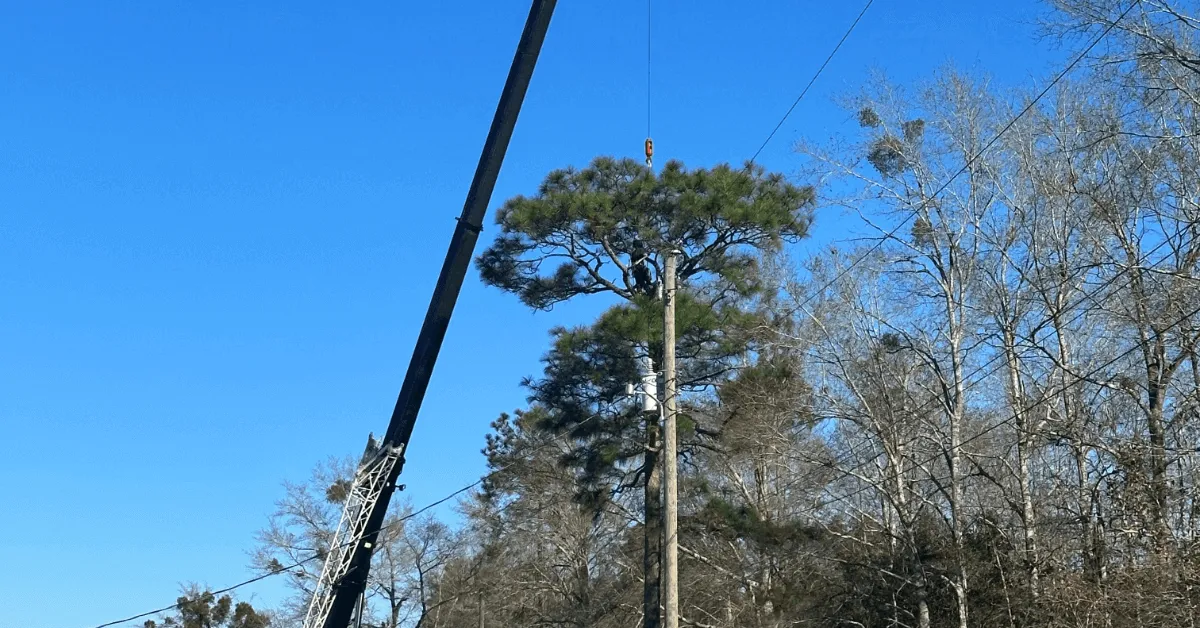
In Milton, D’s Trees was asked to check a leaning pine that had lost several limbs in a winter wind event, with remaining branches hanging over a driveway. The tree showed mushrooms near the base, a significant lean, and heaving soil on the side opposite the lean, all classic signs of root or trunk failure risk.
Our Board Certified Master Arborist recommended removal rather than pruning alone, and the tree was safely taken down using crane-assisted techniques to protect the driveway and nearby structures. Catching the problem early with emergency tree service prevented an uncontrolled failure in a later storm and avoided potential damage to vehicles and the home.
How to Protect Dormant Trees Through Winter
Even healthy dormant trees benefit from proper winter care, especially after a stressful summer or fall. Simple steps that help trees make it through winter and come back strong in spring include:
- Winter Watering During Dry Spells: Tree roots remain active until soil temperatures drop near freezing. During dry winter weeks, water deeply around the root zone, especially for newly planted trees and evergreens. Aim to moisten the soil 6 to 12 inches deep when rainfall is scarce.
- Mulch Protection: A 2 to 4 inch layer of organic mulch over the root zone insulates roots, conserves moisture, and moderates soil temperature swings. Keep mulch a few inches away from the trunk to prevent moisture buildup and decay.
- Avoid Late-Season Pruning: Heavy pruning in late fall or early winter can stimulate new growth that is vulnerable to freeze damage. Save major pruning for late winter or early spring, just before bud break.
- Monitor for Storm Damage: After winter storms, inspect trees for broken branches, cracks, or new leans that could indicate structural problems needing attention.
The Risk of Waiting Too Long
Dead trees do not improve with time. Once a tree is confirmed dead or in severe decline, it becomes a liability. Bark loosens and falls, branches become brittle and drop without warning, and the trunk loses structural integrity as decay progresses.
Winter is actually an ideal time to remove dead or hazardous trees because crews can access properties more easily without damaging lawns and gardens, and visibility is better with deciduous trees bare. If you have a tree that you suspect is dead or dying, waiting until spring to “see if it leafs out” can be a costly mistake if the tree fails during a storm or drops a major limb on a structure.
A quick assessment by a certified arborist in winter provides clarity and allows for planned removal on your schedule, not during an emergency.
When You Need Local Expert Help In Pace, Pensacola, And Milton
When you are unsure whether a winter-bare tree is simply resting or truly becoming a hazard, a local ISA Certified Arborist can give you clear answers. D’s Trees is a family-owned and operated tree service based in Pace and serving Pensacola, Milton, and nearby Northwest Florida communities with professional tree removal, tree trimming, emergency tree service, and arborist consultations.
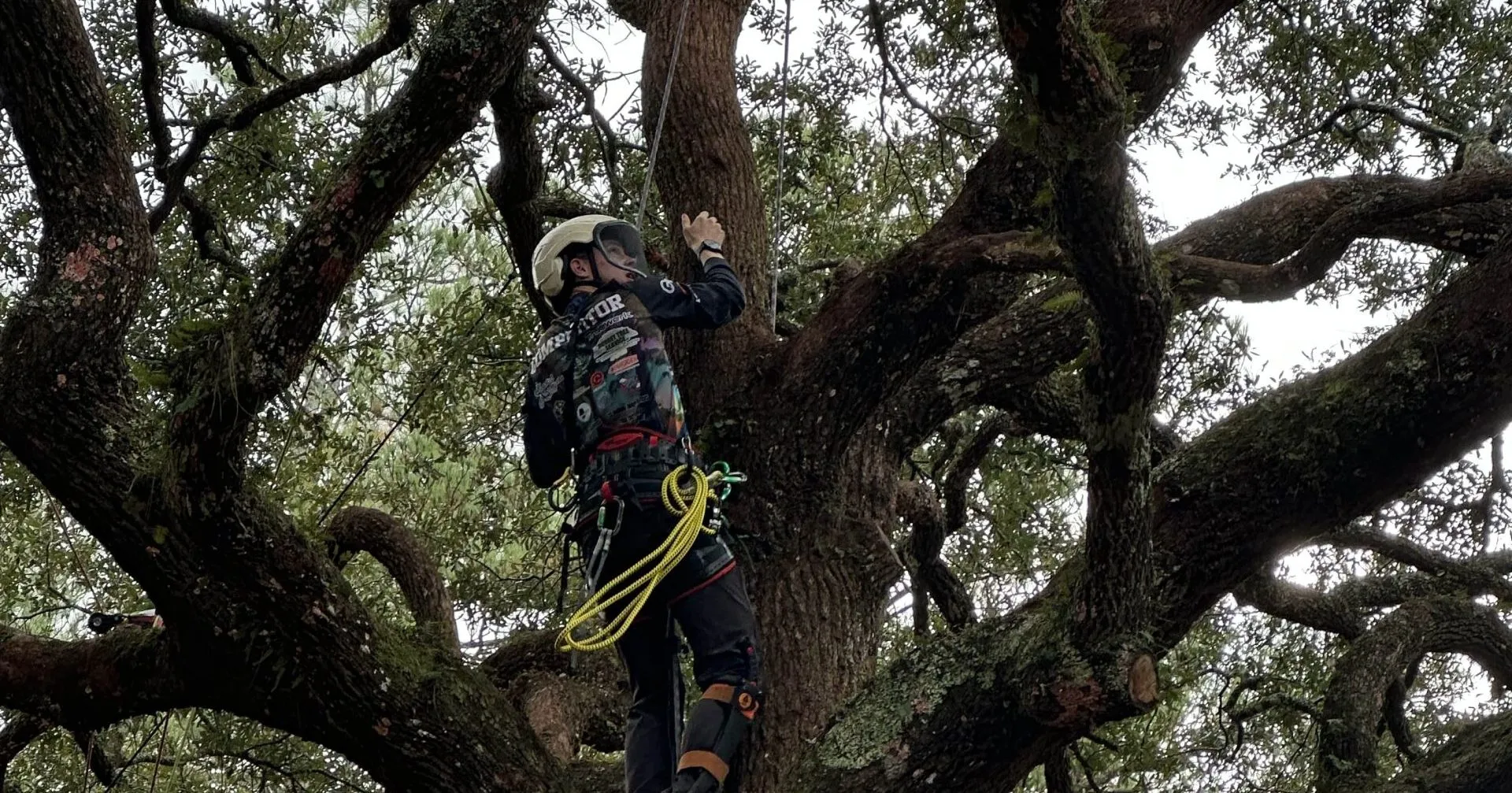
With an ISA Certified Arborist NE-7126B and a Board Certified Master Arborist on staff, plus crane equipment and ground protection mats, the team focuses on safe work practices and tree health, not just quick cuts. Whether you need a winter risk assessment, structural pruning, or safe removal of a dying tree, you can request a free estimate
Can a tree look dead in winter but still be alive?
Yes, many fully dormant trees look bare and lifeless in winter, but are perfectly healthy and will leaf out again in spring. If twigs are flexible, buds are present, and you can find green tissue under the bark on newer branches, the tree is likely still alive.
When should I worry that my tree did not leaf out?
If similar trees nearby have full leaves and yours are still mostly bare, or if large sections of the canopy never leafed out at all, that is a concern. At that point, a certified arborist should inspect the tree to see if it can be pruned back to healthy wood or if removal is the safer option.
Does winter browning on evergreens mean the tree is dying?
Not always. Winter burn and desiccation can cause browning on the tips and sides of evergreen needles, especially on exposed sides. If buds and inner needles remain green and new growth appears in spring, the tree may recover with pruning and proper watering.
How often should I have my trees inspected?
Trees near homes, driveways, play areas, and property lines benefit from a professional inspection every few years, and after major storms. Regular assessments catch small problems early, which often costs less than waiting until a tree becomes a serious hazard.
What should I do if I find dead branches on my tree?
Dead branches should be removed promptly to prevent them from falling and causing injury or property damage. Small dead twigs are normal on most trees, but if you are seeing larger dead limbs or multiple dead sections, contact a certified arborist for an evaluation.
Reviewed by a Certified Arborist: This article was technically reviewed by an ISA Certified Arborist with hands-on experience managing trees across Pace, Pensacola, Milton, and surrounding Northwest Florida communities.