May 12, 2026
Key Takeaways:
- Scientific Evaluation: Tree risk assessments use standardized protocols (TRAQ) to identify potential failures before they happen.
- Target Identification: Assessments focus on the likelihood of a tree hitting a target, such as a home, power line, or walkway.
- Visual Inspection Levels: Experts use three levels of inspection, from a quick drive-by to advanced internal diagnostic testing.
- Northwest Florida Specifics: Local evaluations prioritize factors like sandy soil saturation, coastal wind leverage, and hurricane history.
- Actionable Reporting: A formal assessment provides a clear roadmap for mitigation, including pruning, cabling, or removal.
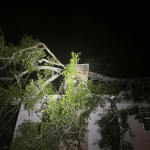
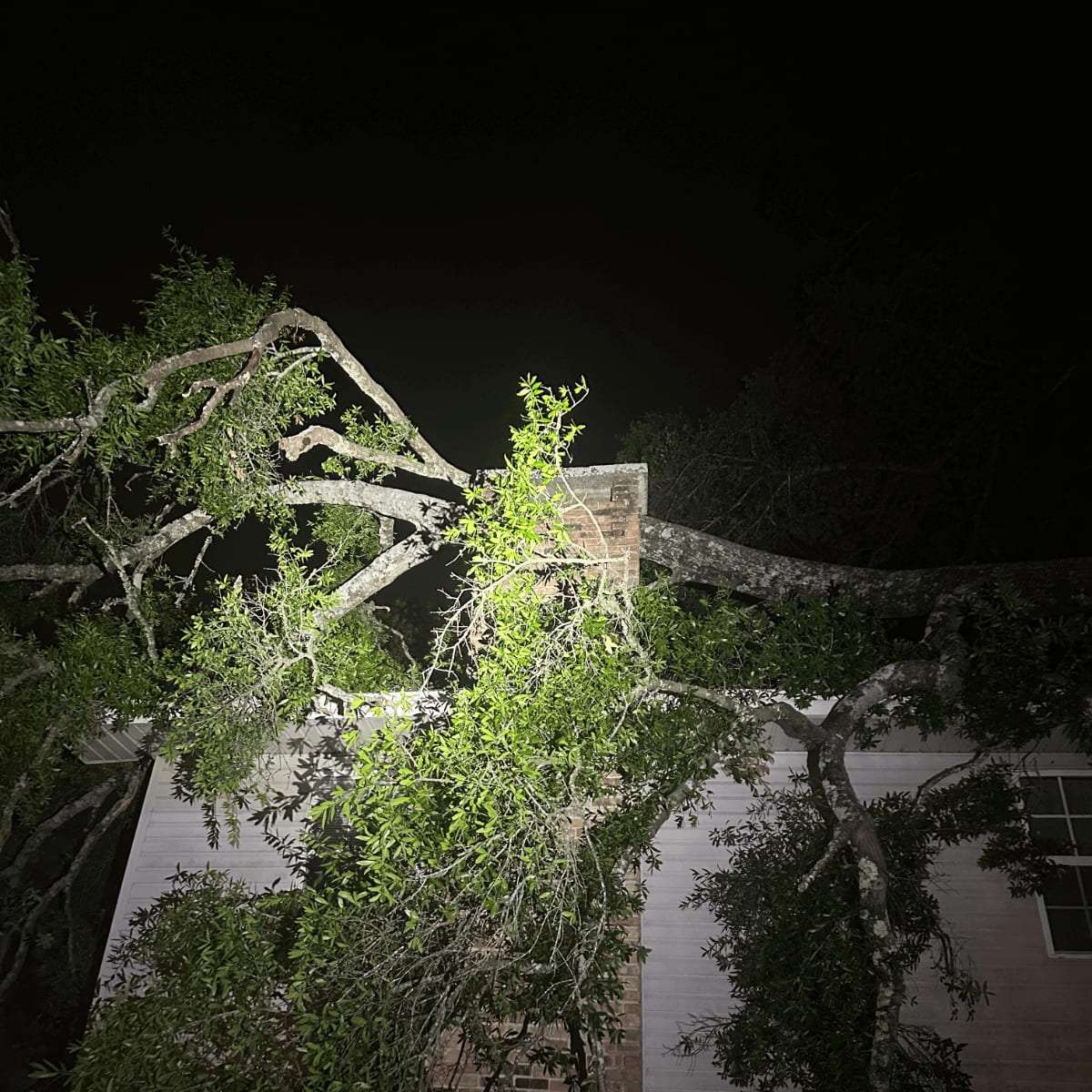
In Northwest Florida, our trees are some of the most beautiful and culturally significant features of our landscape. From the massive Live Oaks in Pensacola to the towering pines in Pace and Milton, these trees provide shade, property value, and a unique sense of place. However, the same environment that allows these trees to grow to such magnificent sizes also presents unique challenges. Hurricanes, tropical storms, sandy soil, and high humidity can turn a healthy-looking tree into a significant hazard.
A tree risk assessment is the professional process of identifying, analyzing, and evaluating the risks associated with a tree. For property owners in the Panhandle, this isn’t just about aesthetics; it’s a critical component of property management and safety. Understanding what happens during this process can help you make informed decisions about your landscape and protect your home from unforeseen failures.
The Purpose of a Professional Assessment
The primary goal of a tree risk assessment is to determine the likelihood of a tree or one of its parts failing and the severity of the consequences if it does. It is important to remember that zero risk does not exist in nature. Every tree has the potential to fail under the right (or wrong) conditions. The arborist’s job is to categorize that risk so you can decide which level of risk you are willing to accept on your property.
In Northwest Florida, where storm surges and high-velocity winds are part of seasonal life, these assessments are particularly focused on structural integrity. An arborist isn’t just looking for a dead tree; often, the most dangerous trees are those that appear green and vibrant on the outside but are structurally compromised on the inside.
The Three Levels of Tree Risk Assessment
When you hire a professional for a tree risk assessment in Northwest Florida, they will typically operate within three industry-standard levels of intensity.
Level 1: Limited Visual Assessment
Often referred to as a walk-by or drive-by inspection, this is a visual scan of a population of trees to identify the most obvious hazards. In a large wooded lot in Cantonment or a commercial property in Navarre, this level is used to flag trees that need immediate attention or further, more detailed study. It is a cost-effective way to manage a large number of trees.
Level 2: Basic Assessment
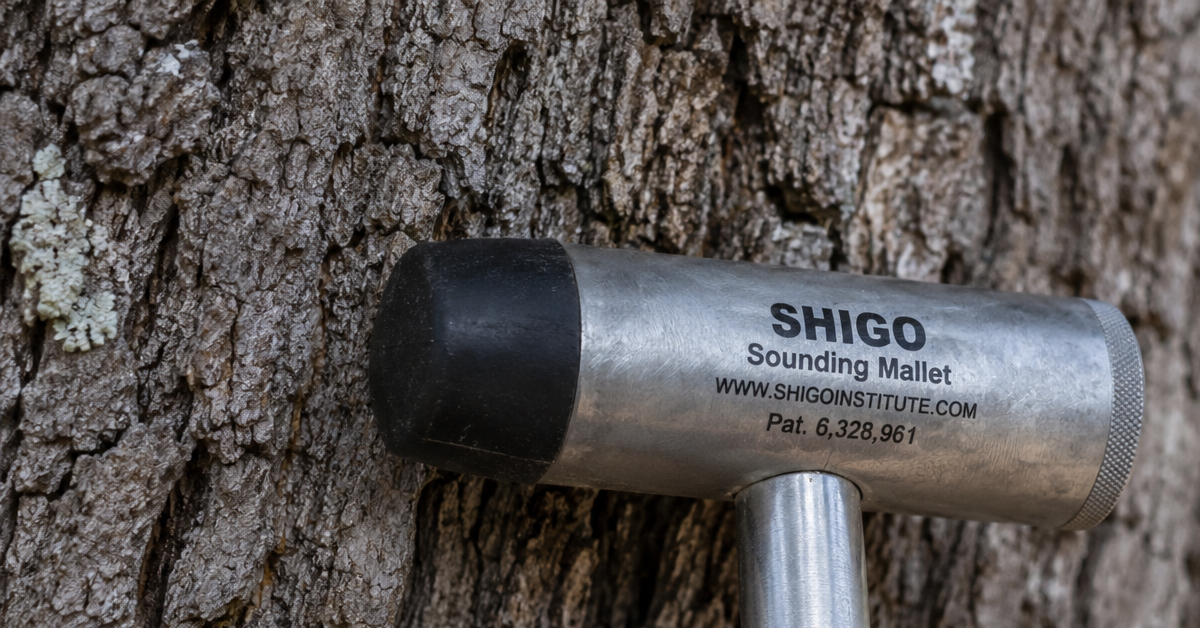
This is the most common type of assessment for residential property owners. During a Level 2 assessment, the arborist performs a 360-degree walk-around of the tree. They examine the crown, the trunk, and the visible root flare. This level often involves the use of simple tools like binoculars to see high-altitude canopy issues or a sounding mallet to check for hollows in the trunk.
Level 3: Advanced Assessment
If a Level 2 assessment reveals concerning symptoms, such as a large cavity or a mysterious lesion, a Level 3 assessment may be recommended. This is a deep dive into the tree’s health. It may include climbing inspections of the upper canopy, root collar excavations using compressed air, or sonic tomography to create a cross-section image of the trunk’s internal density.
Key Factors Evaluated During the Inspection
When an ISA Certified Arborist arrives at your property in Pensacola or Gulf Breeze, they are looking at more than just the tree itself. They are evaluating a complex relationship between the tree, the soil, and the surrounding environment.
1. Target Identification
A tree in the middle of an empty field in rural Milton is not a high risk, even if it is dead, because there is nothing for it to hit. In a residential risk assessment, the target is the most important factor. This includes your home, your neighbor’s garage, power lines, parked cars, or areas where children play. The arborist will assess the occupancy rate of these targets to determine the risk level.
2. Site Conditions
Northwest Florida has unique site conditions. Our sandy soil provides excellent drainage but can lose grip on a root system during the heavy rain of a tropical storm. The arborist will look for signs of soil heaving, recent construction that might have severed roots, or a high water table that could lead to root rot.
3. Tree Biology and Structure
The arborist will look for defects. These are physical features that increase the likelihood of failure. Common defects in Northwest Florida trees include:
- Co-dominant Stems: Two trunks of similar size that grow together, often creating a weak V-shaped union.
- Cankers and Decay: Signs of fungal growth or hollows that indicate the internal wood is rotting.
- Deadwood: Large branches that are no longer receiving nutrients and have become brittle.
- Included Bark: Bark that grows inside a branch union, preventing the wood from fusing together strongly.
The Role of Local Weather Patterns
Local arborists in Pace and Pensacola must factor in the wind load history of a tree. A tree that has survived multiple hurricanes may have developed reaction wood, extra-thick growth meant to stabilize the tree against prevailing winds. However, those same storms may have caused internal stress fractures that are only visible to a trained eye.
In the Panhandle, we also deal with lightning. Northwest Florida is part of the Lightning Alley of the South. A lightning strike may not kill a tree immediately, but it can cook the vascular tissue or create a long vertical scar that becomes an entry point for wood-boring insects and decay-causing fungi.
What Tools Are Used During the Assessment?
While a Level 2 assessment is largely visual, the tools of the trade are essential for an accurate diagnosis.
- Binoculars: To inspect the crotches of high branches where cracks often start.
- Sounding Mallet: A plastic or rubber hammer used to tap the trunk. A hollow sound indicates internal decay.
- Soil Probe: To check for soil compaction or moisture levels around the root zone.
- Laser Rangefinder: To accurately measure the height of the tree and determine its fall zone.
- Resistograph: Used in Level 3 assessments, this tool drills a tiny needle into the tree to measure the resistance of the wood, identifying exactly where and how much rot is present.
Understanding the Risk Rating
At the end of the assessment, you should receive a report that categorizes the risk. The most common system used by ISA Certified Arborists is the TRAQ (Tree Risk Assessment Qualification) method. Risk is generally rated on a scale:
- Low: No immediate action required; monitor during routine maintenance.
- Moderate: Mitigation is recommended; the tree has defects, but they aren’t critical yet.
- High: Action should be taken soon; the likelihood of failure and impact is significant.
- Extreme: Immediate hazard; the area should be cleared and the tree addressed immediately.
Restoration vs. Removal: The Mitigation Plan
One of the biggest misconceptions is that a tree risk assessment is just a precursor to a tree removal. In many cases, the arborist’s goal is to save the tree. Mitigation might involve:
- Weight Reduction: Trimming heavy limbs to reduce the strain on a weak union.
- Cabling and Bracing: Installing high-strength steel or synthetic cables to support co-dominant stems.
- Target Management: Moving a bench or a play set out of the fall zone of a specific limb.
- Soil Treatment: Aerating the soil or adding nutrients to help a stressed tree recover its vigor.
However, if the assessment shows that the tree is structurally unsound and poses an extreme risk to life or property, removal is the most responsible course of action.
Why Northwest Florida Property Owners Trust Professional Assessments
Self-diagnosing a tree is dangerous. Many trees that look fine have root systems that were compromised years ago during a storm or construction project. By the time a tree starts showing yellow leaves or dropping large limbs, the internal damage may be too advanced to fix.
A professional assessment provides peace of mind. For homeowners in Pensacola, Pace, and Milton, it’s about being proactive rather than reactive. It is much more affordable to perform a structural prune or install a cable system than it is to replace a roof or file a major insurance claim after a tree falls.
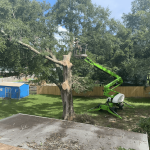
Protecting your Northwest Florida home starts with understanding the health and stability of your trees. At D’s Trees, founded by retired Coast Guard helicopter pilot Doug Doll, we bring military-grade attention to detail and integrity to every tree risk assessment. Serving Pace, Pensacola, Milton, and the surrounding areas, our team includes an ISA Board Certified Master Arborist, the highest level of certification in the industry. Whether you are concerned about a leaning pine in Gulf Breeze or a historic oak in Cantonment, we provide expert arborist consultations and comprehensive health assessments. We offer 24/7 emergency service, specialize in crane-assisted removals, and follow strict safety standards to protect your property. D’s Trees is family-owned, BBB A+ rated, and offers no-money-upfront insurance billing for covered services. Call D’s Trees today at (850) 999-0110 for a free quote and a professional evaluation you can trust.
Frequently Asked Questions by the Homeowners in Florida
How often should I have my trees assessed in Florida?
For mature trees in Northwest Florida, a professional risk assessment is recommended every 2 to 3 years, or immediately following a major storm event.
Does a lean always mean a tree is going to fall?
Not necessarily. Many trees develop a natural lean as they grow toward sunlight. However, a recent lean accompanied by mounded soil at the base is a critical emergency.
Can lightning damage be fixed?
It depends on the severity. Some trees can be stabilized through specialized fertilization and pruning, while others will succumb to the internal heat damage over several years.
Will my insurance cover a tree risk assessment in Florida?
Typically, the assessment itself is a maintenance cost paid by the homeowner. However, some policies may cover it if it’s required following a documented storm event.
What is a hazard tree?
A hazard tree is a tree with a structural defect that is likely to fail and has a high probability of hitting a specific target, like a house or power line.
Do you have a special offer for veterans?
We offer the best price upfront to veterans as a thank-you to our community and those who served.
Can you assess a tree without climbing it?
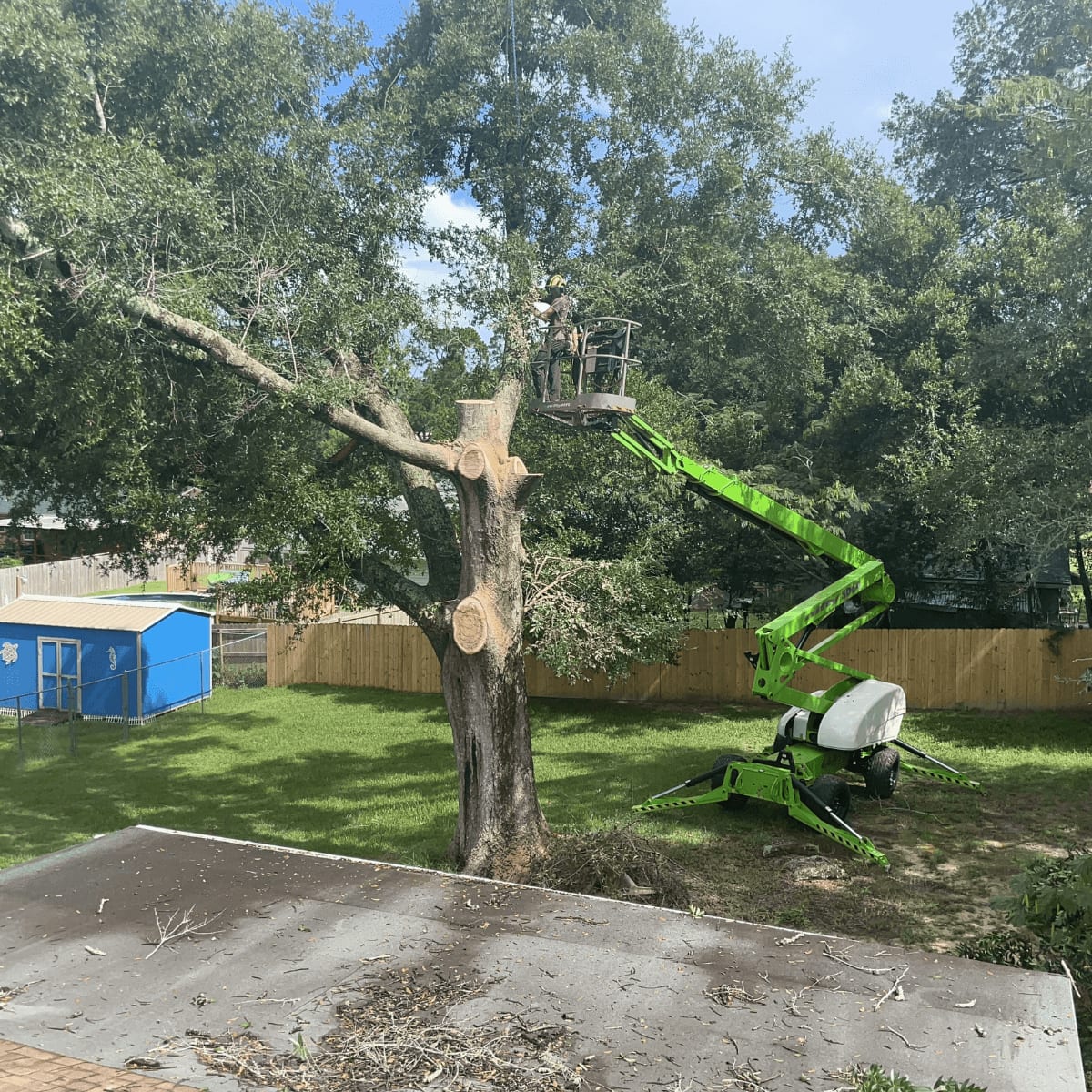
Yes, a Level 2 assessment is done from the ground. Climbing or using aerial lifts is reserved for Level 3 advanced assessments when a canopy defect is suspected.
What is the difference between an arborist and a tree trimmer?
An arborist is a trained professional in the science of tree care. An ISA Certified Arborist has passed rigorous testing on tree biology, safety, and risk management.
Summary Checklist: Signs You Need a Risk Assessment
| Condition | Risk Level | Recommended Action |
|---|---|---|
| Large mushrooms or fungal growth at the base | High | Arrange immediate professional assessment for root decay, internal rot, and structural stability concerns |
| Cracks or V-shaped trunk unions | High | Evaluate structural support options such as corrective pruning or stabilization systems where appropriate |
| Dead limbs over 2 inches in diameter | Moderate | Schedule hazard pruning to reduce falling branch risk and prevent property damage |
| Soil mounding or heaving after wind | Critical | Treat as a possible uprooting emergency, restrict access, and request immediate structural evaluation |
| Recent construction or trenching near roots | Moderate | Inspect for root disturbance, monitor canopy health, and assess long-term structural impact |
Final Advice
A professional tree risk assessment is the most effective tool Northwest Florida property owners have to prevent property damage and ensure landscape longevity. These evaluations move beyond guesswork, utilizing standardized arborist protocols to identify invisible threats like heartwood rot, root plate instability, and internal stress fractures caused by previous hurricane cycles. By identifying a hazard tree before it fails, you gain the opportunity to use mitigation techniques such as weight reduction pruning or cabling, which can save a mature tree and preserve your home’s curb appeal. In the sandy soils of Pensacola and Pace, where trees are subject to high wind leverage, a Level 2 or Level 3 assessment provides the data needed to make responsible financial decisions. Do not wait for a calm, sunny day to be the moment a weakened tree finally snaps. Investing in a proactive arborist consultation ensures your family stays safe and your trees remain a lasting asset to your property. For those in Milton and the surrounding tri-state area, the expertise of a local Master Arborist is your best defense against the volatile weather of the Panhandle.