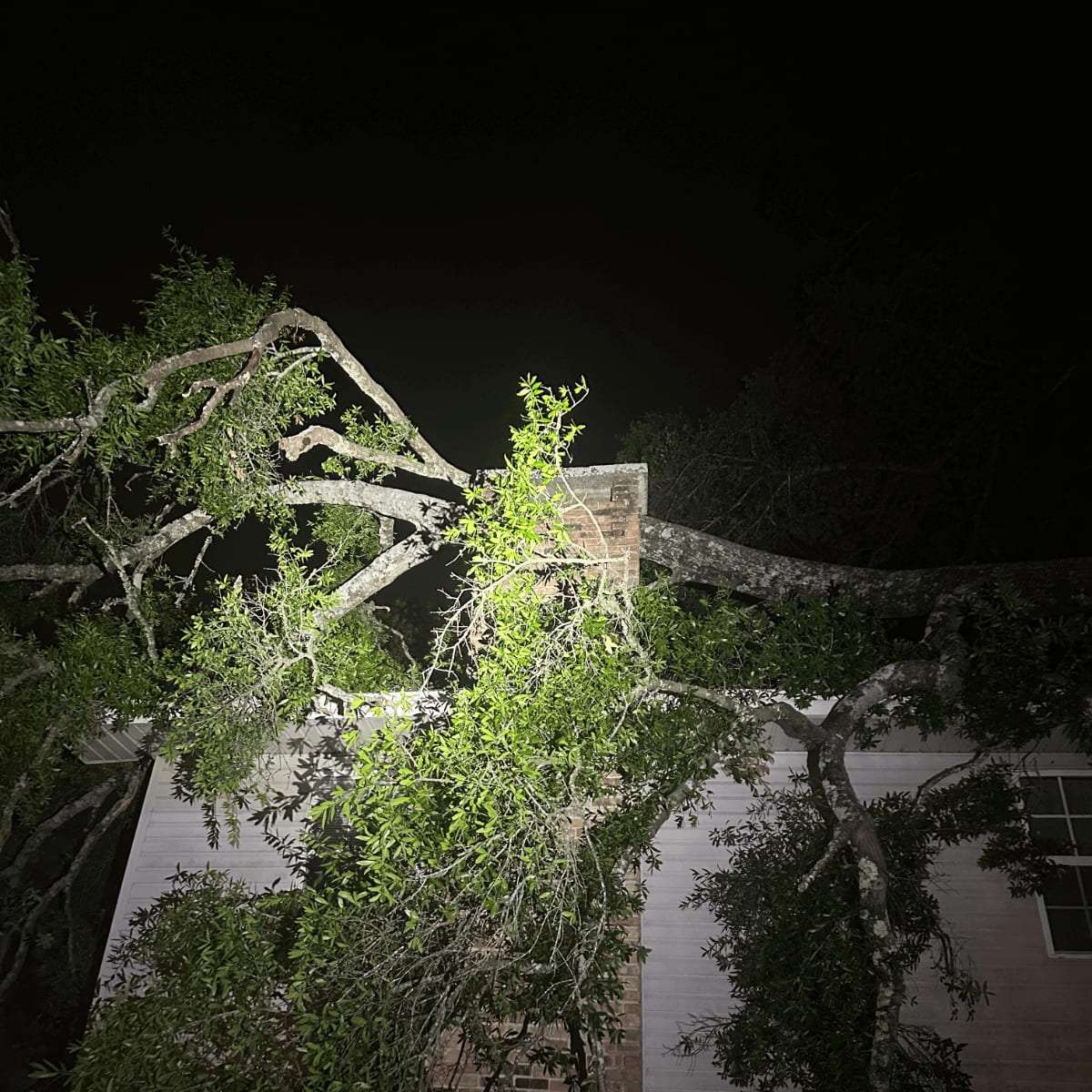
Key Takeaways Pensacola trees face hurricanes, saturated sandy soil, extreme humidity, lightning, and occasional hard freezes in a single year. Most storm failures start as root problems or weak branch unions that were visible long before the wind arrived. Sandy Gulf Coast soil drains fast but anchors roots poorly, which raises uprooting risk during sustained […]
Read More
A tree can look rough after a storm, drop leaves during a stressful season, or develop a noticeable lean without automatically needing to come down. The question of when to remove a tree in Navarre, FL starts with a closer look at the tree’s health, structure, roots, surroundings, and likelihood of failure. If your first […]
Read More
Key Takeaways Trees are one of the most common sources of hurricane-related property damage in Pensacola, but proactive assessment and pruning meaningfully reduce that risk. Pre-season inspection should happen well before storms are forecast, since emergency tree services become difficult to schedule once a storm is approaching. Canopy thinning reduces wind resistance, which lowers the […]
Read More
Key Takeaways: Red Maples are highly sensitive to the alkaline, sandy soils common in many parts of Pace, Florida. Nutrient deficiencies, particularly Manganese and Iron chlorosis, are primary precursors to disease. The Gloomy Scale insect is a major pest that thrives in urban heat islands, weakening maples. Proper mulching and irrigation are critical to reducing […]
Read More
Key Takeaways: Soil Liquefaction: Saturated sandy soil loses its grip on the root system, allowing even healthy trees to lean or fall. Weight Overload: Rain-soaked leaves and branches significantly increase the top-heavy load on a tree’s structural support. Root Hypoxia: Prolonged standing water deprives roots of oxygen, leading to rapid health decline and root rot. […]
Read More