Key Takeaways Yes, stump grinding can damage buried gas, electric, water, sewer, irrigation, and fiber lines. Shallow utilities are common in Northwest Florida sandy soil, and many run closer to the surface than homeowners expect. A free 811 locate before grinding is the single most effective way to prevent a strike. 811 marks public utility […]
Read More
Key Takeaways Trees are one of the most common sources of hurricane-related property damage in Pensacola, but proactive assessment and pruning meaningfully reduce that risk. Pre-season inspection should happen well before storms are forecast, since emergency tree services become difficult to schedule once a storm is approaching. Canopy thinning reduces wind resistance, which lowers the […]
Read More
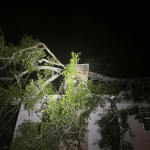
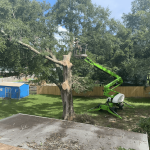
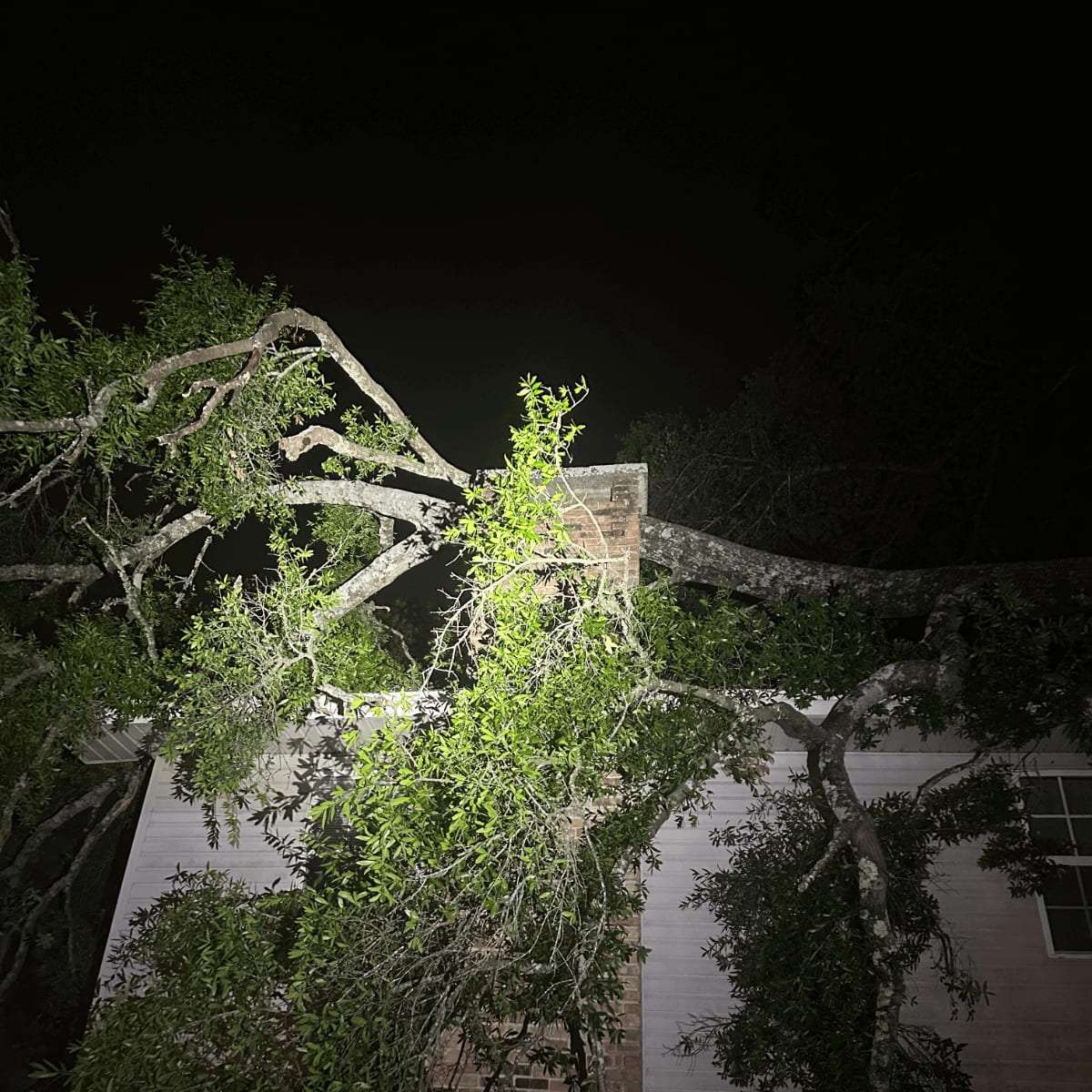
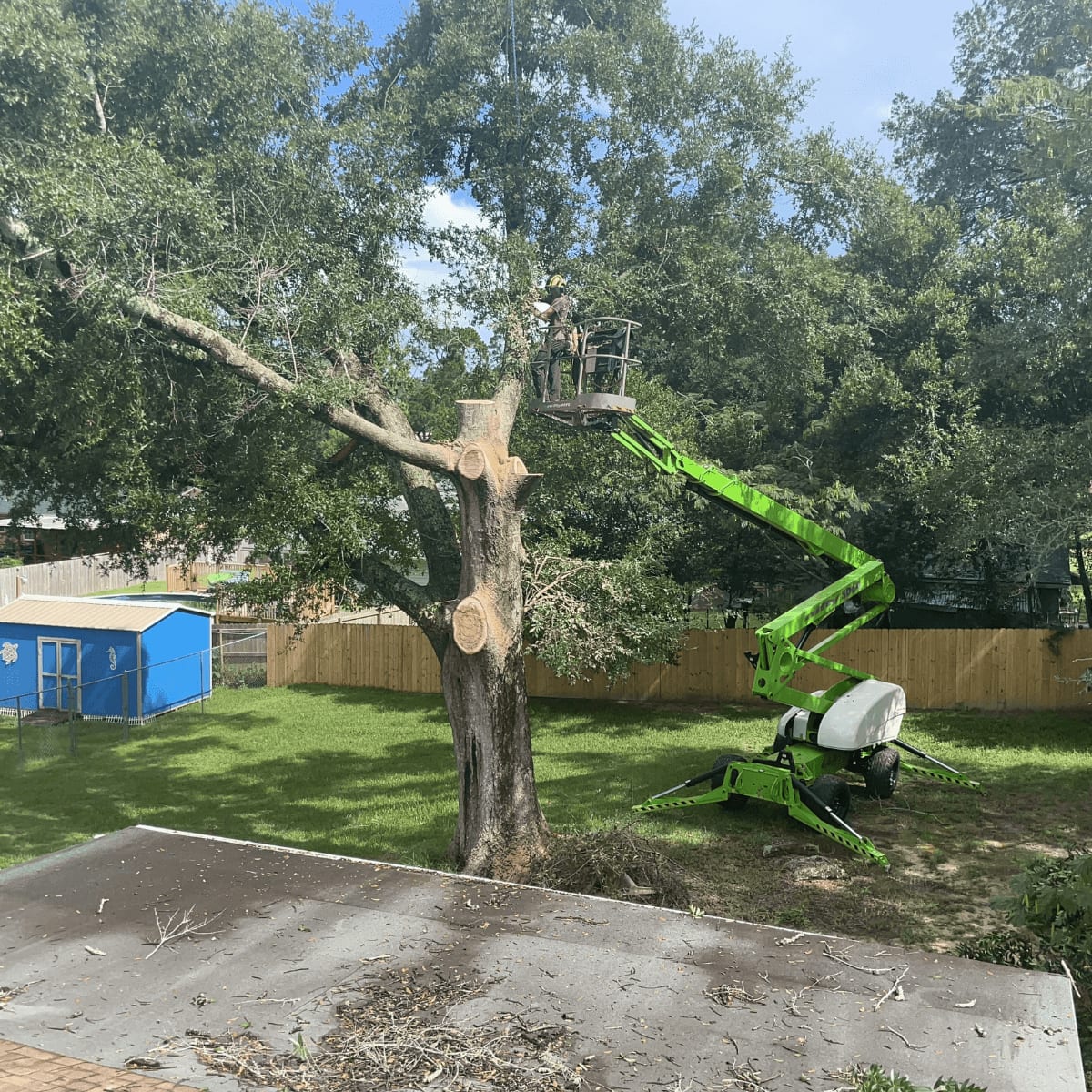
A tree is “near a structure” the moment any part of it could reach the structure if it failed, which means a 70-foot water oak 50 feet from your house is still a strike-zone tree. Removing trees in that zone is controlled dismantling, not felling: every piece is rigged or craned down in sections sized […]
Read More
In Santa Rosa County, clearing tied to construction or development requires approval through the county’s permitting process, while routine vegetation management on uplands of your own residential property generally does not. The rules change fast when wetlands, protected species like gopher tortoises, drainage easements, or heritage trees are involved: wetlands fall under state and federal […]
Read More
An ISA-certified arborist starts at the ground, not the canopy: root flare, soil condition, and trunk base reveal more about failure risk than green leaves ever will. The assessment scores how likely the tree is to fail, what it would hit, and how severe the result would be, then ranks fixes from pruning and cabling […]
Read More