May 28, 2026
Key Takeaways:
- Red Maples are highly sensitive to the alkaline, sandy soils common in many parts of Pace, Florida.
- Nutrient deficiencies, particularly Manganese and Iron chlorosis, are primary precursors to disease.
- The Gloomy Scale insect is a major pest that thrives in urban heat islands, weakening maples.
- Proper mulching and irrigation are critical to reducing the environmental stress that invites fungal pathogens.
- Consult a certified arborist in Pace, FL at the first sign of leaf yellowing or premature leaf drop.
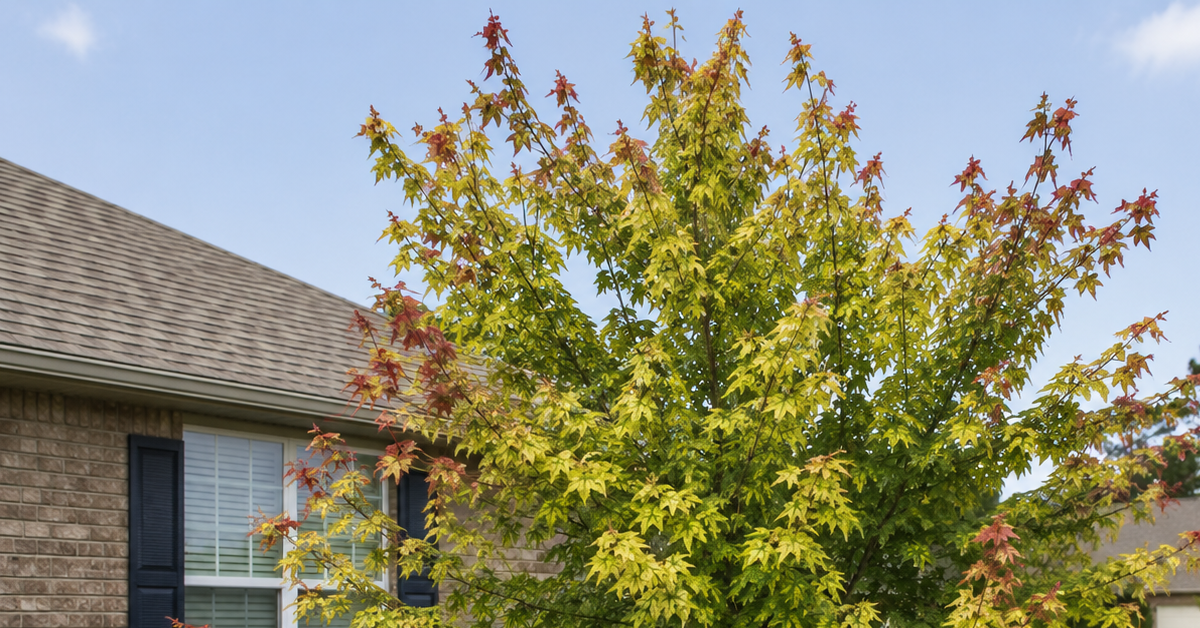
The Red Maple (Acer rubrum) is one of the most beloved trees in the North American landscape, prized for its brilliant autumnal display and rapid growth. In the panhandle of Florida, specifically within the growing community of Pace, FL these trees are frequently planted to provide shade and aesthetic value. However, despite their popularity, Red Maples in our region often struggle with a variety of health issues that can lead to premature decline. To the untrained eye, a maple might simply look unhappy, but through the lens of a professional, these struggles are often the result of a complex interplay between biology and the local environment.
Understanding why these trees are so vulnerable requires looking beneath the surface, literally. From the chemistry of our soil to the specific pests that call Santa Rosa County home, Red Maples face a unique set of challenges in Northwest Florida. By examining these factors, property owners can better equip themselves to care for these vibrant trees or make informed decisions about future plantings.
The Soil Dilemma: pH and Nutrient Lockout
One of the most significant challenges for Red Maples in Pace is the local soil composition. Red Maples are naturally bottomland species, accustomed to acidic, moist, and nutrient-rich soils. However, much of the residential soil in Pace has been altered by construction and development. The use of limestone-based fill dirt and the proximity of concrete foundations, sidewalks, and driveways can significantly raise the soil pH, making it more alkaline.
When the soil pH rises above six point five, a phenomenon known as nutrient lockout occurs. Even if the soil contains essential minerals like Manganese and Iron, the tree’s roots cannot chemically unlock or absorb them. This leads to Manganese Chlorosis, a condition where the leaves turn a sickly yellow while the veins remain green. A tree suffering from chlorosis is in a state of chronic stress. Because it cannot photosynthesize efficiently, its immune system weakens, making it a sitting duck for opportunistic fungal diseases and wood-boring insects.
The Urban Heat Island Effect
Pace has seen rapid residential growth over the last decade. As more land is cleared for subdivisions, we see an increase in the urban heat island effect. Red Maples are particularly sensitive to ambient heat radiating from asphalt streets and brick homes. In their natural forest habitat, maples benefit from a cool, shaded root zone covered by a thick layer of organic leaf litter.
In a suburban lawn, maples are often surrounded by turfgrass, which competes aggressively for water and nutrients. The high temperatures and lack of root insulation lead to root stress. This environmental pressure often manifests as leaf scorch, where the edges of the leaves turn brown and crispy during the peak of a Florida July. Once the tree’s vitality is sapped by heat, it lacks the energy reserves to fight off pathogens like Verticillium wilt or various canker-producing fungi.
The Menace of Gloomy Scale
If you ask any specialist about the number one pest killing maples in Northwest Florida, the answer is almost always Gloomy Scale (Melanaspis tenebricosa). These tiny, armored insects attach themselves to the bark of the tree and suck the essential fluids out of the vascular system. To a homeowner, an infested tree might look like it is covered in a dark, soot-colored crust.
Gloomy Scale thrives in the warm, stressed environments of suburban Pace. Unlike maples in a deep forest, landscape maples lack the natural predators that keep scale populations in check. Over time, a heavy infestation causes branch dieback, a thinning canopy, and eventual tree death. Because the scale is so small and blends in with the bark, it is often missed by homeowners until the tree is in a state of advanced decline. Early detection by a professional is the only way to effectively manage this persistent pest.
Fungal Pathogens and Structural Decay
Once a Red Maple is weakened by soil issues or scale insects, fungal diseases move in. Two of the most common issues we see in Santa Rosa County are:
-
Hypoxylon Canker
This is a stress-mediated fungus. It lives harmlessly within the tree until the tree becomes severely stressed by drought or root damage. Once the tree’s defenses drop, the fungus spreads rapidly through the sapwood, causing large patches of bark to slough off and revealing silver-gray fungal mats. Once Hypoxylon is visible, the tree is often beyond saving.
-
Ganoderma Root Rot
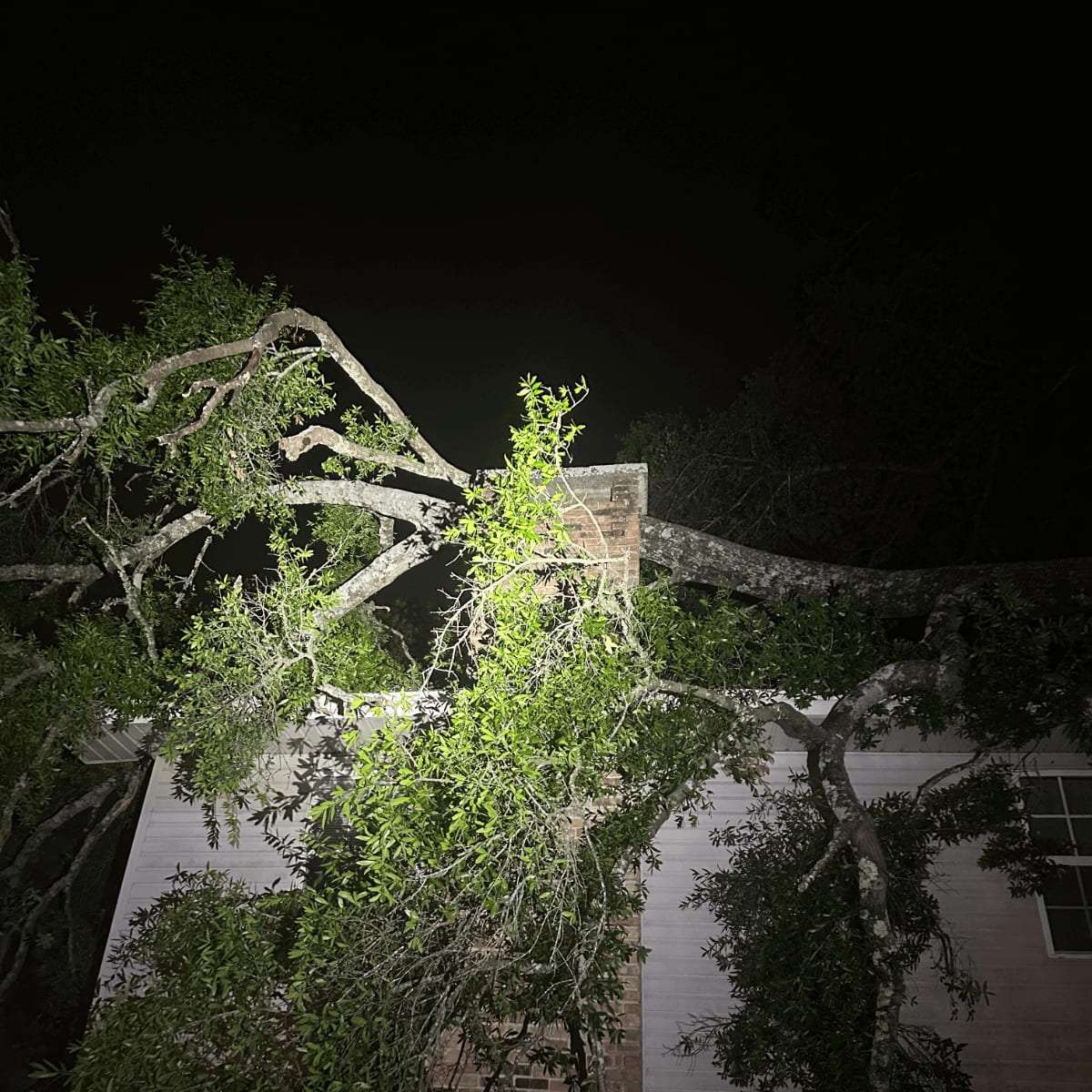
Often signaled by the appearance of shelf mushrooms or conks at the base of the trunk, this fungus decays the very roots that anchor the tree. In the sandy soils of Pace, a maple with Ganoderma is a major liability, as it can fall over without warning during a thunderstorm, even if the leaves still look green.
Cultural Mistakes: The Volcano Mulching Problem
Ironically, some of the diseases we see are caused by the very people trying to help the tree. Volcano mulching, the practice of piling mulch high against the trunk of the tree, is a common sight in local landscapes. This creates a dark, moist environment against the bark that encourages trunk rot and the development of girdling roots.
Girdling roots are roots that grow in a circle around the trunk rather than radiating outward. As the tree and the roots grow in diameter, the roots begin to choke the tree, cutting off the flow of water and nutrients. This self-strangulation mimics the symptoms of disease, causing the tree to die from the top down. Proper mulching should look like a donut, not a volcano, with the root flare (where the trunk widens at the base) clearly visible.
Strategies for Success: Can Red Maples Survive in Pace, Florida?
While the challenges are numerous, it is possible to have a healthy Red Maple in Pace with the right care.
- First, soil testing is non-negotiable. Knowing your pH allows you to apply the correct soil acidifiers or micronutrient injections to prevent chlorosis.
- Second, irrigation management is key. Maples need consistent moisture, but they do not want to sit in wet feet caused by poor drainage.
- Finally, species selection matters. If you are determined to plant a maple, look for cultivars that are better adapted to southern heat, such as the ‘Florida Flame‘ or ‘Summer Red.’ However, in many cases, a professional might recommend alternative species like the Nuttall Oak or the Bald Cypress, which provide similar aesthetic benefits with much higher resilience to the local Pace environment.
By understanding the biological requirements of these trees and the limitations of our local geography, we can create landscapes that are both beautiful and sustainable. The goal is not just to plant a tree, but to ensure that tree has the structural and biological integrity to thrive for generations.
Protecting the health and value of your landscape requires more than just routine maintenance; it demands the specialized knowledge of a certified arborist in Pace, FL. At D’s Trees, we understand the unique stressors that affect Red Maples and other local species, from soil pH imbalances to the persistent threat of Gloomy Scale. Our team provides comprehensive health evaluations, precision pruning, and expert disease management to ensure your trees remain a safe and beautiful asset to your home. We are committed to providing Northwest Florida residents with honest, data-driven solutions that prioritize long-term tree vitality. Whether you are dealing with yellowing leaves or are concerned about the structural integrity of a mature maple, we have the tools and experience to help. Trust our veteran-owned team to provide the professional care your property deserves. Call us today to schedule a consultation with a dedicated certified arborist in Pace, FL and take the first step toward a healthier, safer landscape.
Frequently Asked Questions by Homeowners in Pace, Florida
Why are the leaves on my Red Maple turning yellow in the middle of summer in Pace County?
This is typically a sign of Manganese or Iron chlorosis, caused by high soil pH levels common in Pace. The tree is unable to absorb essential nutrients, leading to a loss of chlorophyll.
How can I tell if my tree has a Gloomy Scale?
Look for a dark, bumpy, or sooty appearance on the bark of the trunk and branches. If you scrape the bark with a fingernail and see tiny circular shapes, your tree likely has an infestation.
Is it possible to save a maple with Hypoxylon Canker?
Unfortunately, Hypoxylon Canker usually indicates that the tree’s vascular system is already significantly compromised. In most cases, removal is recommended to prevent the tree from becoming a falling hazard.
Does D’s Trees provide soil testing for residential properties in Pace, FL?
Yes, we offer professional soil analysis to determine pH levels and nutrient deficiencies, allowing us to create a customized fertilization and care plan for your trees.
Why did my maple tree fall over even though the leaves were green?
This is often caused by root rot fungi like Ganoderma. These pathogens decay the structural roots underground while the feeder roots continue to send water to the leaves, masking the danger.
What is the best time of year to prune a Red Maple in Pace, Florida?
Late winter, while the tree is dormant, is generally the best time for structural pruning. However, dead or hazardous limbs should be removed immediately regardless of the season.
Can mulch really kill my tree?
Yes, if it is applied too thickly against the trunk (volcano mulching). This causes bark rot and encourages girdling roots that can eventually choke the tree to death.
Are there better shade tree options for Pace than the Red Maple?
While Red Maples are beautiful, species like Live Oaks, Nuttall Oaks, and certain Elms are often more resilient to the specific soil and heat conditions of our local area.
Summary Checklist: Red Maple Health
| Condition | Risk Level | Recommended Action |
|---|---|---|
| Yellow Leaves with Green Veins | Moderate | Test soil conditions and address likely nutrient deficiencies with targeted treatment |
| Dark Crusty Bark or Scale Activity | High | Schedule professional pest management before the infestation weakens the tree further |
| Fungal Conks at the Base | Critical | Arrange for an immediate structural assessment to evaluate internal decay and failure risk |
| Bark Peeling or Silver Fungal Mats | Critical | An urgent arborist evaluation is needed, as removal may be required for safety |
| Deep Trunk Cracks | High | Inspect for structural instability, internal decay, and elevated failure potential |
Final Advice
Maintaining the health of a Red Maple in the unique climate of Santa Rosa County requires a proactive strategy that addresses environmental stress before it turns into a terminal disease. We highly recommend that homeowners conduct regular visual inspections of their trees, paying close attention to changes in leaf color, bark texture, and the appearance of any fungal growth at the base. Because maples are so susceptible to nutrient lockout and pest infestations like Gloomy Scale, early intervention is the most effective way to avoid the high costs of emergency tree removal. A consultation with a certified arborist in Pace, FL, can provide you with a clear roadmap for soil amendments and pest management tailored specifically to your property’s needs. By addressing these issues early, you can enjoy the shade and beauty of your maples for decades to come.
For expert guidance and professional tree care, trust the experienced team at D’Trees to protect your landscape. Our dedicated arborists are ready to help you ensure the safety and longevity of every tree on your property.