November 12, 2025
One heavy oak limb can rip through a roof, and a single uprooted pine can block your driveway. In Northwest Florida, hurricane season doesn’t just threaten your home, it puts your trees to the test. While many homeowners focus on securing windows, roofs, and emergency supplies, trees are often overlooked until disaster strikes. The reality is that proactive tree care before hurricane season can protect your property, lower clean-up costs, and prevent dangerous situations. This guide explains why preparation matters, what steps to take, which native species need special attention, and how professionals can help safeguard your landscape.
Why Tree Prep Is Essential in Northwest Florida’s Storm Season
Strong winds can snap limbs, topple unstable trees, and send debris crashing into homes, cars, or power lines. In Northwest Florida, where live oaks, pines, magnolias, and palms dominate the landscape, proactive care helps:
- Minimize storm damage and costly repairs
- Protect surrounding property, neighbors, and power lines
- Improve tree health, stability, and longevity
- Save money on emergency removals and storm debris hauling
- Reduce community hazards and protect local ecosystems
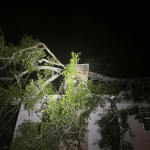
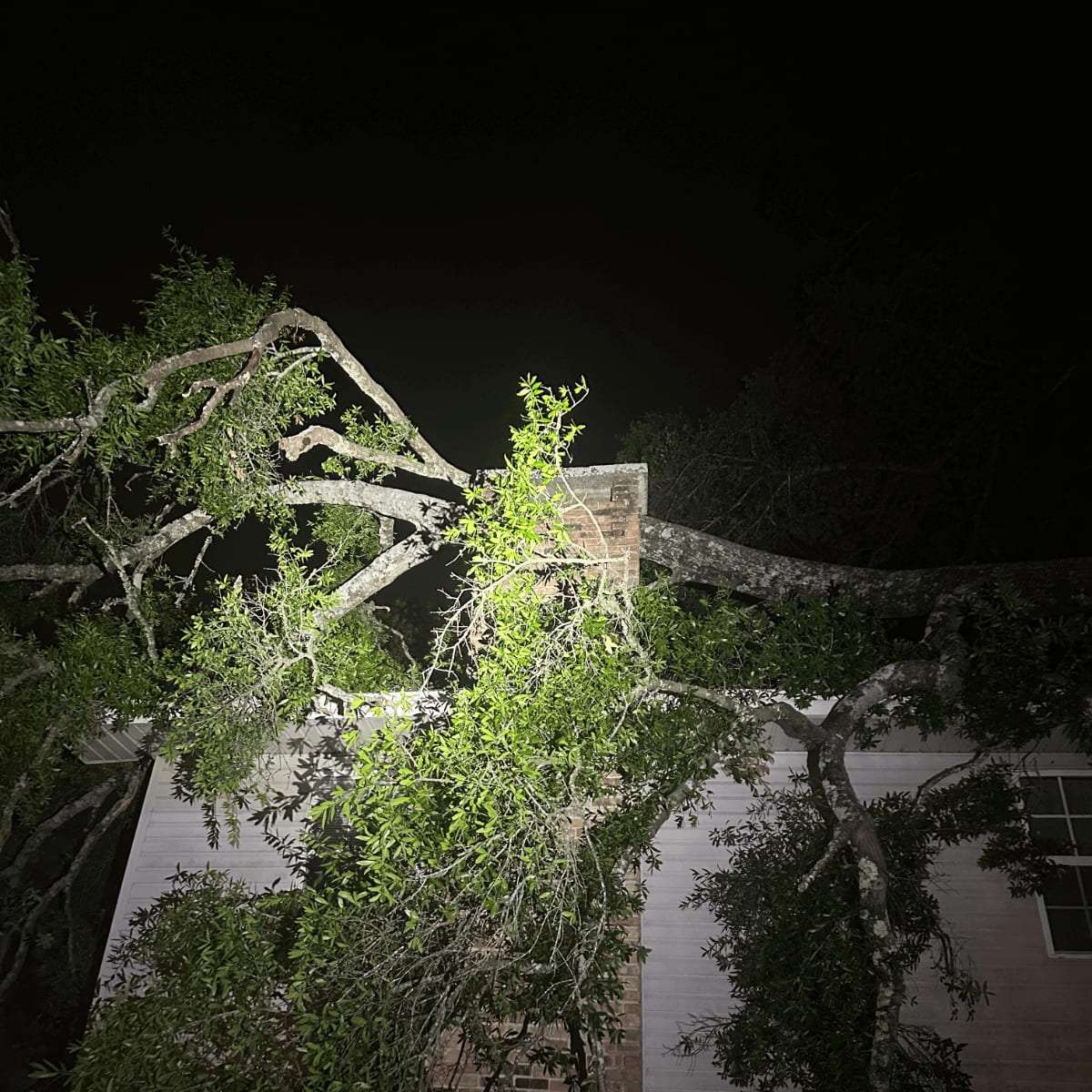
Ignoring tree preparation can lead to uprooted pines blocking driveways, heavy oak limbs tearing through roofs, or fallen trees damaging utilities. The consequences are far more expensive and dangerous than preventive maintenance.
How to Prep and Protect Trees for Hurricane Season
1. Schedule a Professional Tree Inspection
ISA Certified Arborists can spot hidden hazards like root rot, hollow trunks, cracks, or weak branch unions that homeowners may miss. An inspection ensures you know which trees need pruning, bracing, or removal before storms arrive.
2. Prune Strategically
Remove dead, diseased, or crossing branches. Thinning the canopy allows wind to pass through, reducing strain on the trunk and roots. Pruning should focus on improving structure rather than removing too much foliage. Proper pruning reduces the chance of limbs acting like sails in strong winds.
3. Install Cabling or Bracing
For large oaks, multi-trunk trees, or historic specimens, cabling and bracing provide structural support. This reinforcement reduces the likelihood of splitting or catastrophic limb loss. It is especially helpful for trees that add shade and property value but may have structural weaknesses.
4. Mulch and Water Properly
Mulching around the base conserves moisture, stabilizes soil, and reduces root stress. Deep watering before storm season strengthens root systems, giving trees a better chance to withstand saturated soil and heavy wind.
5. Remove High-Risk Trees
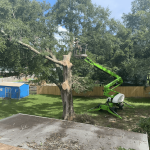
Trees leaning dangerously toward structures, those with extensive decay, or shallow-rooted pines on unstable soil may require removal. Eliminating high-risk trees prevents catastrophic damage and keeps your property safer.
6. Secure Young or Newly Planted Trees
Stake young trees with flexible ties so they can move naturally while remaining anchored. This prevents uprooting during intense storms.
7. Clear Surrounding Debris
Remove loose branches, fallen limbs, and yard clutter that could become dangerous projectiles during high winds.
Local Considerations for Northwest Florida
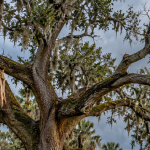
- Live Oaks: Known for strength, but heavy limbs can fail without periodic pruning. Structural pruning reduces the chance of breakage.
- Slash Pines: With shallow roots, these trees are prone to uprooting in saturated soils. Inspect regularly and consider selective removal of overcrowded stands.
- Magnolias & Palms: Remove dead fronds, seed pods, and weak branches. Lightweight fronds can turn into wind-driven debris.
- Crape Myrtles & Ornamentals: Ensure these trees are pruned properly for shape and airflow, avoiding over-thinning that weakens their resilience.
Common Mistakes to Avoid
- Topping trees instead of proper pruning (weakens the structure and encourages decay)
- Over-mulching or piling mulch against the trunk (invites rot and pests)
- **Delaying care until storms are imminent **arborists book quickly as hurricane warnings approach
- DIY removal of large limbs without safety equipment (a major injury risk)
When to Prepare Your Trees
Begin tree care in early spring, before hurricane season officially begins in June. This timeline gives trees weeks or months to recover from pruning and strengthen root systems before severe weather arrives. Scheduling early also ensures you can secure a professional arborist before demand spikes during hurricane watches.
How to Store Yard Waste Safely Before Storms
If you prune or remove branches yourself, avoid leaving debris piled at the curb before a storm. Loose debris can become hazardous missiles. Instead:
- Store wood chips, branches, and cut limbs in bins or bags
- Delay yard waste collection until after storms pass, if possible
- Consider mulching excess branches instead of leaving them loose
Emergency Response if a Tree Fails During a Hurricane
Even with preparation, hurricanes are unpredictable. If a tree falls during a storm:
- Stay away from downed power lines entangled with branches
- Avoid attempting removal during high winds or flooding
- Contact certified arborists for emergency removal once conditions are safe
- Notify utility companies immediately if trees interfere with service lines
Being prepared with emergency contacts and knowing what to do after a failure can minimize injuries and secondary damage.
Palm-Specific Hurricane Prep
Palms behave differently than broadleaf trees. Treat them with palm-smart care before storms.
- Trim only dead or broken fronds. Keep a full, balanced crown. Avoid the “hurricane cut” that leaves a skinny pineapple top. It weakens the palm.
- Remove loose boots, seed pods, and flower stalks so they do not turn into airborne debris.
- Check the spear leaf. If it pulls out easily or looks discolored, call an arborist. That can signal bud rot.
- Feed correctly. Use a slow-release palm formula with magnesium and manganese per label. Underfed palms snap and defoliate more easily.
- Support new transplants. Stake gently with soft ties. Allow some movement so roots establish without rocking.
Quick check before June
- No over-trimming
- No fronds touching roofs or signs
- Pods and boots removed
- Healthy spear leaf present
Utilities, Permits, and Proof
A little admin now prevents headaches after a storm.
- Clearances near lines. If branches are close to service drops or street lines, call the utility or a line-qualified tree service. Do not DIY near energized lines.
- Check local rules. Some cities and HOAs require permits or notices for removals or work in rights-of-way. Verify before you cut.
- Document your trees. Take date-stamped photos of key trees from multiple angles after pruning and bracing. Keep the arborist’s report and invoice. This helps if you file a claim later.
- Mark undergrounds before staking or installing anchors. Call before you dig to avoid damaging buried utilities.
- Update contacts. Save numbers for your arborist, insurer, and utility outage line. Put them in your phone and on paper.
Pre-storm paperwork kit
- Recent photos of trees and structures
- Written inspection or hazard report
- Copies of permits or HOA approvals
- Vendor contacts and policy numbers
Frequently Asked Questions About Hurricane Tree Preparation
Should I prune my trees right before a hurricane?
No. Pruning should be done weeks or months in advance. Fresh cuts close to storm season can stress the tree and make it more vulnerable.
Can all trees be saved with preparation?
No. Severely diseased, unstable, or poorly rooted trees may still need removal to protect property and safety.
What is the best mulch for hurricane preparation?
Organic mulch, such as pine bark, cypress mulch, or wood chips, helps retain moisture and stabilize soil around roots.
How much does pre-hurricane tree service cost in Northwest Florida?
On average, professional inspections and pruning range from $200–$800, depending on tree size, condition, and service complexity. Cabling, bracing, or removals can cost more but may save thousands in avoided property damage.
Should I stake all my trees before a storm?
No. Only younger or newly planted trees should be staked. Mature trees benefit more from proper pruning and healthy root systems.
Can insurance help cover tree damage from hurricanes?
In many cases, homeowner’s insurance may cover tree damage to structures. Preventive maintenance, however, remains the homeowner’s responsibility.
Final Thoughts on Protecting Your Trees During Hurricane Season
Protecting your trees before hurricane season in Northwest Florida is not just about landscaping; it’s about safety, cost savings, and community resilience. Proactive care helps prevent property damage, supports healthy trees, and keeps neighborhoods safer.
Partnering with local experts ensures that your trees are inspected, pruned, and reinforced correctly. Early preparation offers peace of mind, knowing you’ve taken steps to minimize storm risks.
Don’t wait until the first storm is on the radar. Contact D’s Trees today to schedule a pre-hurricane tree assessment and safeguard your property with expert care.