November 10, 2025
What Are Wood Chips?
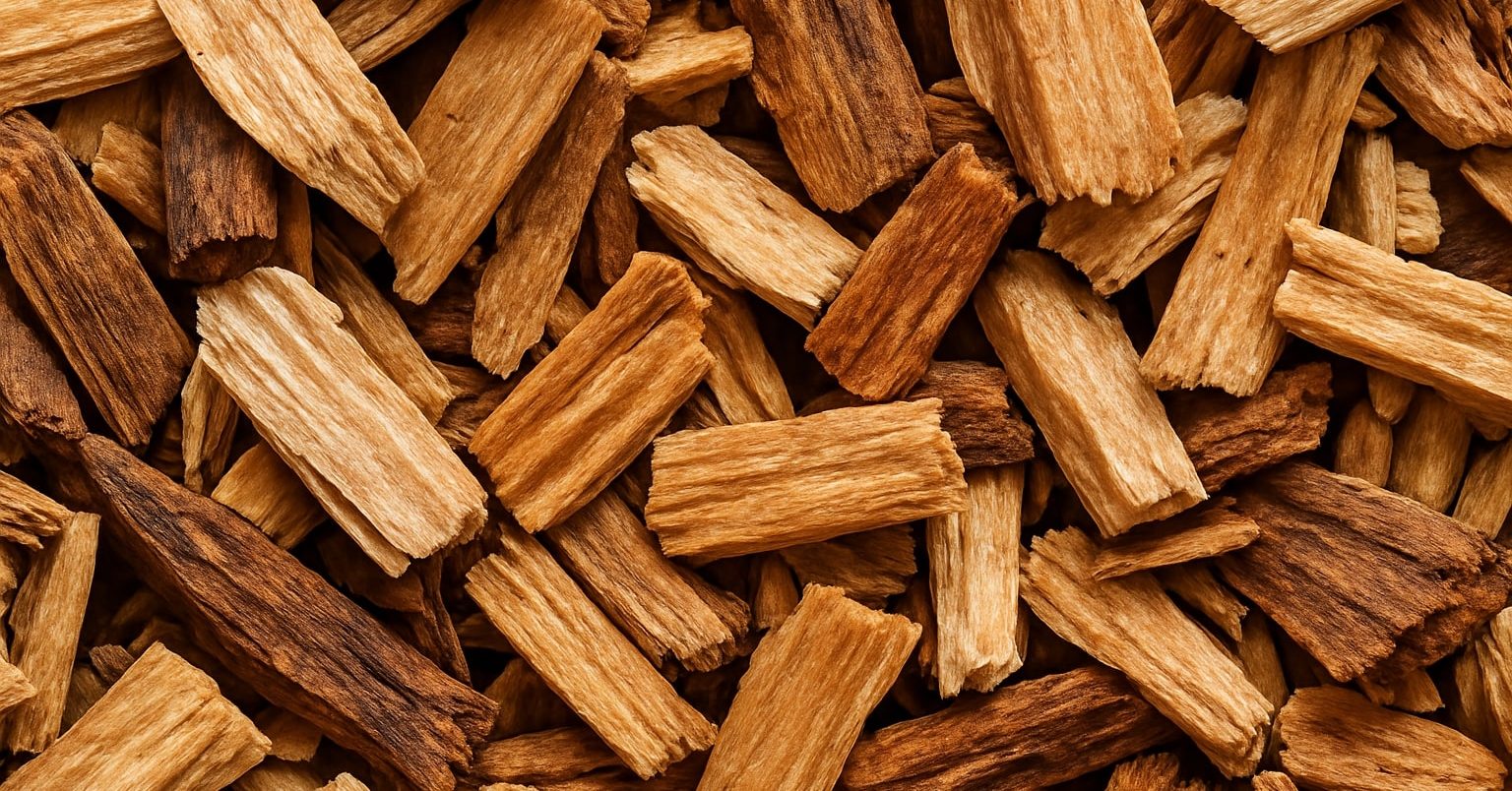
Wood chips are small pieces of wood created by passing branches, logs, and stumps through a wood chipper. They vary in size, from fine mulch-like particles to larger chunks. They are 100% organic and break down over time, returning nutrients to the soil.
In addition to tree removal projects, wood chips are often generated during storm clean-up, land clearing, or large-scale landscaping work. Depending on the type of tree, chips can differ in color, texture, and how quickly they decompose. Hardwood chips, for instance, break down more slowly than softwood chips, offering longer-lasting ground cover.
Why Are Wood Chips Important?
Wood chips are more than just waste. They offer several benefits, including:
- Soil Enrichment: As chips decompose, they release organic matter back into the ground.
- Erosion Control: They help stabilize soil on slopes or exposed areas.
- Moisture Retention: Mulching with wood chips helps keep soil moist longer.
- Sustainable Landscaping: Repurposing chips reduces landfill waste.
- Aesthetic Appeal: They add a clean, natural look to garden beds and paths.
For homeowners, wood chips provide a free or low-cost resource that can replace store-bought mulch or soil conditioners. For communities, they represent a way to recycle organic material and reduce municipal disposal costs.
How to Use Wood Chips Effectively
There are many practical applications for wood chips at home or in the community. Here are some of the most popular and creative uses:
1. Mulch for Gardens and Flower Beds
Spread a 2 to 4 inch layer of wood chips around trees, shrubs, and plants. They help block weeds, keep the soil moist, and regulate temperature during Florida’s hot months. Wood chips also give your landscape a neat, finished look that improves curb appeal.
2. Composting
Add wood chips to your compost pile to balance food scraps, leaves, and grass clippings. The chips slow the breakdown process just enough to create rich, even compost while improving airflow in the pile.
3. Walkways and Paths
Wood chips are an affordable, natural surface for garden paths and backyard walkways. They prevent mud, reduce slipping, and add a rustic touch. For longer-lasting paths, place landscaping fabric underneath before spreading the chips.
4. Playground Surfaces
Untreated wood chips work well under play areas to create a soft, cushioned base. They drain easily and help reduce the impact of falls. Make sure to use clean, chemical-free chips for safe play spaces.
5. Soil Amendment
Mix aged wood chips into garden beds or raised planters to loosen compact soil and improve drainage. Over time, they add organic matter that helps plants develop stronger roots and retain moisture.
6. Animal Bedding
Untreated wood chips make great bedding for chickens, horses, and other livestock. They absorb moisture, control odors, and create a clean, dry environment for animals.
7. Community Use
If you have extra wood chips, consider donating them. Parks, schools, and community gardens often use them for landscaping. Some Central Florida towns even have free chip drop-off or pick-up programs.
8. Weed Suppression
Use wood chips to keep weeds from spreading in open areas or along property lines. They’re especially useful around fences, driveways, or large garden borders that are hard to maintain.
9. Fire Starter Material
Keep dry wood chips on hand for outdoor fire pits or camping trips. They catch easily and make great kindling. Always use untreated chips to avoid chemical smoke.
10. Stormwater Management
Spread wood chips over bare or sloped ground to slow down water runoff during heavy rain. This helps prevent erosion and allows more water to soak into the soil.
Common Misconceptions About Wood Chips
- “They attract termites.” While fresh chips may temporarily attract insects, they are no more problematic than other organic mulches.
- “They rob soil of nutrients.” Chips only affect nitrogen at the very top layer of soil. When used as mulch, this is not a concern.
- “They cannot be used in vegetable gardens.” Wood chips work well around fruit trees, berry bushes, and pathways between raised beds.
- “Wood chips decompose too slowly.” The decomposition rate varies by wood type. Hardwoods may take longer, but this makes them excellent for pathways and long-term mulch.
Best Practices Use chips from untreated wood to avoid chemicals leaching into your soil.
- Keep mulch a few inches away from tree trunks to prevent rot.
- Allow chips to age for a few months before using them in sensitive areas like vegetable beds.
- Combine chips with green material (like grass clippings) to speed up decomposition.
- Reapply chips annually to maintain effectiveness and appearance.
- If using for playgrounds, ensure chips meet ASTM safety standards for fall cushioning.
- Storage Tip: If you cannot use chips right away, store them in a dry, shaded area. Covering with a breathable tarp prevents mold while allowing airflow.
Wood Chips in Central Florida
In Central Florida, where sandy soil drains quickly, wood chips provide much-needed moisture retention. Many local landscapers recommend using them around palms, live oaks, magnolias, crape myrtles, and flowering shrubs like hibiscus or azalea to reduce irrigation needs. Community gardens across Orlando and Tampa often accept chip donations for walkways and mulching projects.
Additionally, local homeowners use wood chips to protect young trees from heat stress, reduce lawn maintenance, and create shaded, natural seating areas in their yards. With Florida’s frequent storms, the supply of wood chips is often abundant after hurricane season, making them a widely available and sustainable landscaping resource.
Emerging and Future Uses of Wood Chips
With sustainability gaining traction, wood chips are being used in innovative ways:
- Bioenergy production: Chips can be processed into biomass fuel.
- Eco-friendly construction: Some companies use wood chips in composite boards.
- Erosion control projects: Municipalities increasingly use chips to stabilize flood-prone areas.
- Green infrastructure: Wood chips are being integrated into rain gardens and bioswales to improve water management.
- Urban agriculture: More cities are supporting wood chip use in community farms and school gardens.
Wood Chip Basics: What Homeowners Need to Know
- Main purpose: Mulch, compost, erosion control, or ground cover.
- Hauling and disposal: Varies based on debris volume and site distance; confirm if included in your tree service.
- Use in vegetable gardens: Best aged first, but fine for walkways.
- Difference from mulch: Wood chips are raw; mulch can include other processed materials.
- Storage: Keep dry, shaded, and loosely covered for best results.
Frequently Asked Questions About Wood Chips
What is the main purpose of wood chips after tree removal?
Wood chips can be repurposed for mulch, compost, erosion control, or ground cover in landscapes and gardens.
How much does it cost to haul away wood chips in Central Florida?
Costs vary, but hauling can range from $75 to $150 per load. Many homeowners choose to keep them for free landscaping use instead.
Can I use fresh wood chips in my vegetable garden?
Yes, but it is best to let them age first. Fresh chips may temporarily tie up nitrogen at the soil surface. However, they can be used for walkways between rows immediately.
What is the difference between wood chips and mulch?
Wood chips are raw, chipped tree material. Mulch can be wood chips or other organic/inorganic matter specifically processed for landscaping.
How can I start using wood chips effectively at home?
Begin with mulching flower beds and pathways. Use 2–4 inches of chips and keep them away from direct contact with plant stems. For larger properties, consider using chips on slopes or in erosion-prone areas.
What are the most common mistakes when using wood chips?
Applying chips too close to tree trunks, using treated wood chips in gardens, and layering chips too deeply (over 6 inches). Another mistake is failing to replenish chips yearly, which can lead to compacted soil underneath.
How is wood chip use changing in 2025 and beyond?
Expect greater use in sustainable landscaping, biomass energy, and municipal erosion control projects. Wood chips will also become more integrated into eco-friendly construction and community agriculture.
Final Thoughts on Reusing Wood Chips
Wood chips are a valuable byproduct of tree removal and should be treated as a resource, not waste. They enrich soil, conserve water, reduce erosion, and serve countless purposes from mulch and compost to animal bedding, walkways, and stormwater control. In Central Florida, where heat and drought are constant challenges, wood chips help retain moisture, protect landscapes, and cut costs. Extra chips can also support schools, parks, and community projects, while future innovations point to broader eco-friendly uses in landscaping, energy, and construction.
Have a tree removal project coming up? Contact D’s Trees for expert removal and sustainable solutions. We’ll handle the work safely and ensure your wood chips are put to good use.