April 6, 2026
Florida homeowners often face uncertainty after a severe storm, especially when trees fall and cause damage. The immediate question is always: “Will insurance pay for this?” Navigating homeowners’ insurance for storm-damaged tree removal can be complex, with specific rules and frequent claim denials. This guide will help you understand your coverage, what to expect, and how to get professional help in Northwest Florida.
Key Takeaways
- Homeowners insurance in Florida typically covers tree removal when a healthy tree falls due to a covered peril and damages an insured structure or blocks a driveway.
- Claims are often denied for dead, diseased, or poorly maintained trees, and for preventative removal when no property damage occurs.
- Florida has a high rate of insurance claim denials after major storms, making proper documentation and policy awareness critical.
- The average cost of medium-sized tree removal in Florida is about $1,590, which can create a significant out-of-pocket expense if coverage is denied.
- Hiring an ISA Certified Arborist and a fully insured tree service helps reduce safety risks, liability exposure, and claim disputes.
- Proactive tree maintenance lowers storm damage risk, supports insurance compliance, and can reduce long-term costs.
What is Homeowners Insurance Coverage for Storm-Damaged Trees?
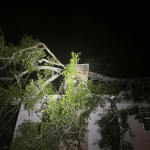
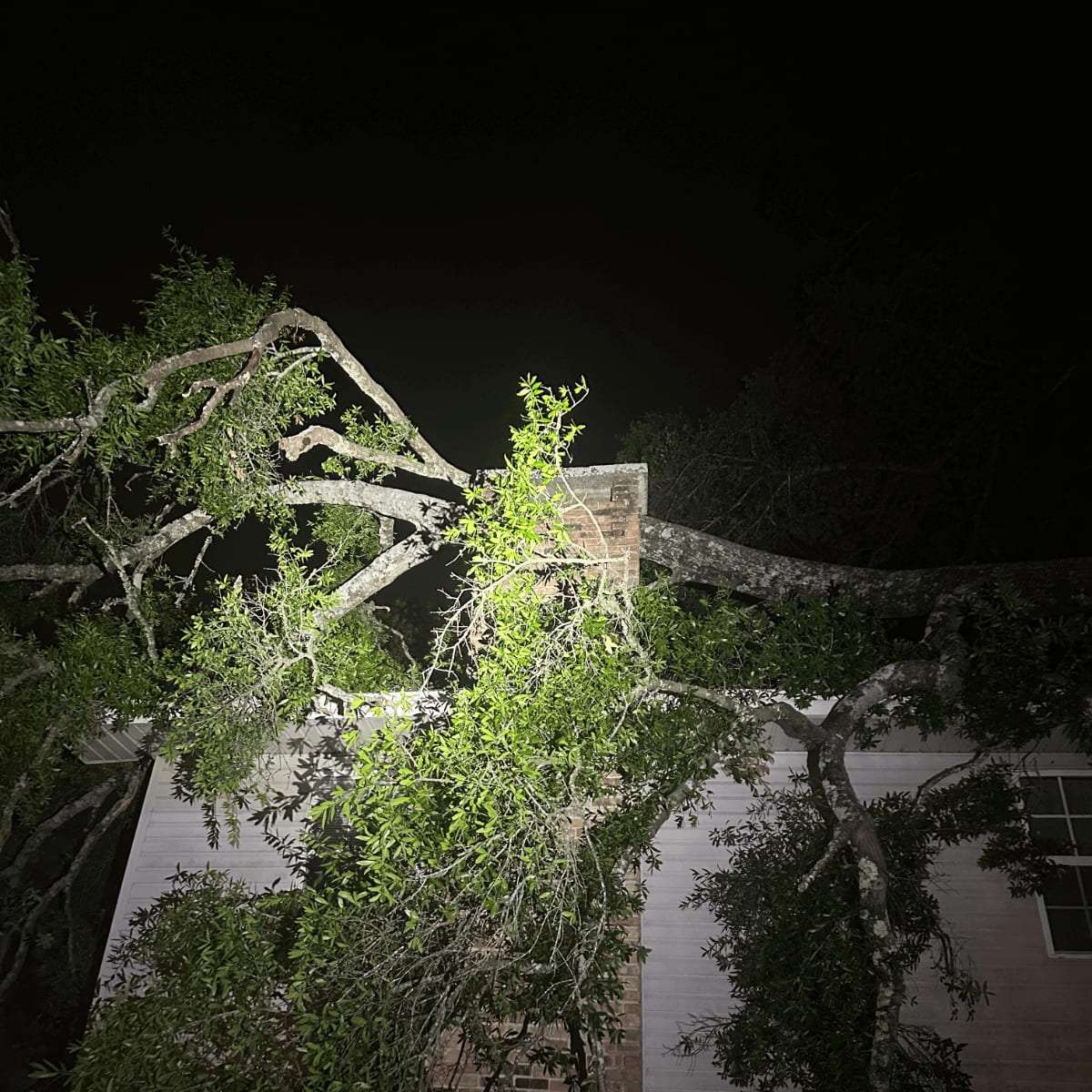
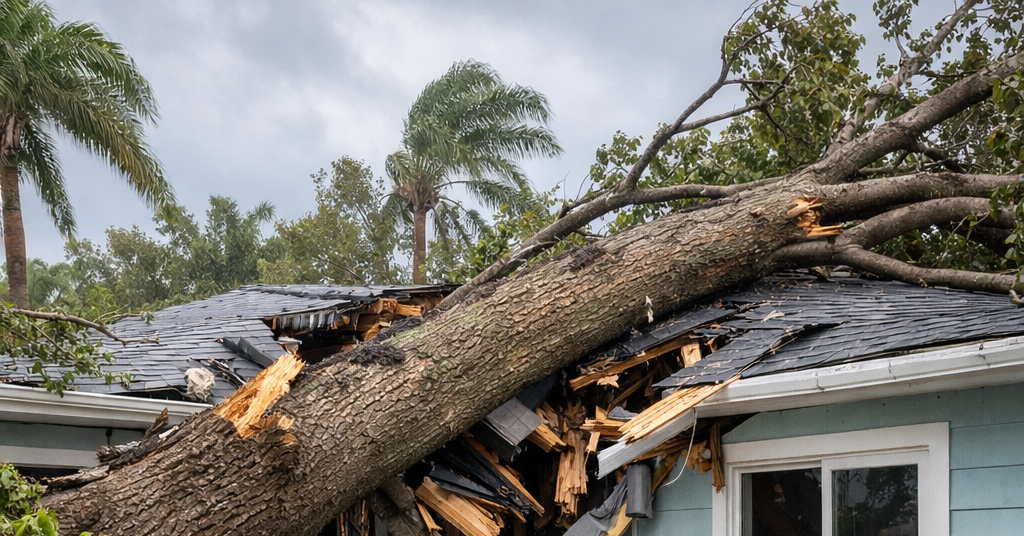
Homeowners insurance coverage for storm-damaged trees in Florida is not a simple ‘yes’ or ‘no’ answer; it depends heavily on the specific circumstances and your policy’s terms. Generally, your policy will cover tree removal if a healthy tree falls due to a covered peril, like high winds or lightning, and causes damage to insured property. This includes your dwelling, a detached garage, or even if it blocks your driveway, making your property inaccessible.
When Your Policy Likely Covers Removal
Your homeowners’ insurance policy in Florida most likely covers tree removal under specific conditions related to direct property damage.
- Damage to Insured Structures: If a tree falls on your house, garage, shed, or fence, your policy will typically cover the cost of removal and repair.
- Blocked Driveway/Access: If a tree falls and blocks your driveway or a ramp for disabled access, preventing you from entering or leaving your property, removal costs are often covered.
- Covered Peril: The damage must result from a ‘covered peril’ – an event explicitly listed in your policy, such as windstorms, lightning, hail, or the weight of ice/snow (though less common in Florida).
- Healthy Tree: The tree must have been healthy before the storm. Insurance companies often inspect the tree’s condition to determine if negligence played a role.
Common Exclusions and Why Claims Get Denied
Despite common assumptions, many insurance claims for storm-damaged trees in Florida are denied due to specific exclusions in policies.
- Negligence: If the fallen tree was dead, diseased, or poorly maintained (e.g., overhanging branches too close to the roof), your claim may be denied. Insurance companies view this as a preventable risk.
- No Property Damage: If a tree falls in your yard but doesn’t hit a structure or block access, insurance generally won’t cover its removal. This is considered ‘cosmetic’ or ‘preventative’ removal.
- Neighbor’s Neglect: While your policy usually covers a neighbor’s healthy tree falling on your property, if their tree was clearly neglected, proving their liability can be challenging and may involve legal action.
- Policy Limits & Deductibles: Even if covered, the removal cost might fall below your deductible, or exceed specific limits for tree debris removal, leaving you to pay out-of-pocket.
- Undervalued Assessments: Insurance adjusters may undervalue the damage or removal costs, leading to disputes and potential claim denials if not properly challenged.
Navigating the Insurance Claim Process in Florida
Navigating the insurance claim process after a storm in Florida requires a systematic approach to ensure you receive fair compensation for tree removal and property damage.
Immediate Steps After a Tree Falls
The moments immediately after a tree falls are critical for both safety and initiating your insurance claim effectively.
- Ensure Safety First: Check for downed power lines or gas leaks. Do not approach the tree if there’s any risk. Call 911 for immediate hazards.
- Prevent Further Damage: If safe, take temporary measures like tarping a damaged roof to prevent water intrusion. Keep receipts for any emergency repairs.
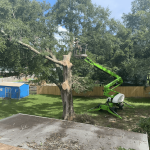
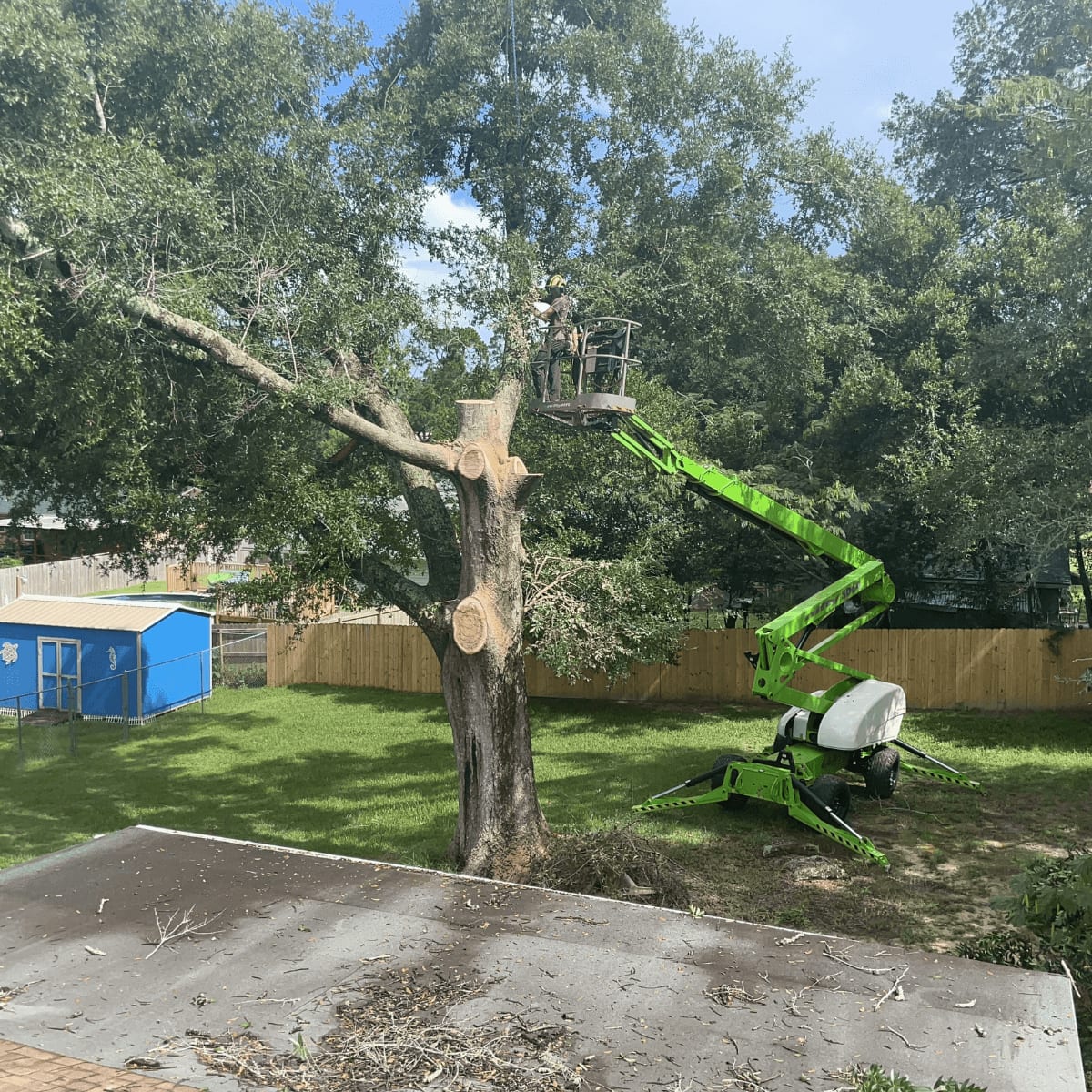
- Contact a Professional: Reach out to a reputable tree service immediately. We offer 24/7 emergency services, especially crucial after major storms in Northwest Florida. Our team can assess the situation safely.
- Notify Your Insurer: Contact your insurance company as soon as possible to report the damage and initiate a claim. The sooner you report, the better.
Documenting Damage for Your Claim
Thorough documentation is your strongest asset when filing an insurance claim, especially with Florida’s high claim denial rates.
- Photos and Videos: Take clear, comprehensive pictures and videos of the fallen tree, the damage it caused to your property, and the surrounding area. Capture different angles and close-ups.
- Date and Time Stamp: Ensure your documentation is dated and time-stamped. This helps establish the timeline of events.
- Condition of the Tree: Photograph the tree’s base and trunk to show its health (or lack thereof) before the fall, if possible. This can support your claim that it was a healthy tree.
- Damage Estimates: Obtain a detailed estimate for tree removal and any property repairs from a licensed and insured professional. This provides a clear cost for your claim.
Working with Your Insurance Adjuster
Interacting with your insurance adjuster requires preparation and clear communication to avoid undervalued assessments or denials.
- Be Present: Try to be present during the adjuster’s inspection. Point out all areas of damage and provide your documentation.
- Provide All Information: Share all your photos, videos, and professional estimates with the adjuster. Keep copies for your records.
- Understand the Assessment: Ask the adjuster to explain their findings clearly. If their assessment seems low, politely ask for clarification and provide counter-evidence from your professional estimates.
- Don’t Rush: Don’t feel pressured to accept the first offer if it doesn’t cover your damages. You have the right to negotiate and provide additional information. Remember, nearly 200,000 claims after Hurricane Ian were closed without payment.
Understanding Florida’s Unique Tree Removal Regulations
Florida’s unique climate and environmental concerns mean specific regulations often apply to tree removal, adding another layer of complexity for homeowners.
Local Permitting and Protected Species
Before removing any tree, especially after a storm, it’s essential to understand local permitting requirements in your Florida county or city.
- County and City Ordinances: Depending on whether you’re in Milton, Pace, Pensacola, or another part of Northwest Florida, permits may be required for tree removal, even for damaged trees.
- Protected Trees: Florida has various protected tree species (e.g., certain oaks, magnolias) that require special permits or have strict regulations regarding their removal, regardless of damage.
- Emergency Waivers: In immediate post-storm situations, some municipalities may issue emergency waivers for permit requirements for hazardous trees, but it’s vital to confirm this with local authorities.
The Impact of Florida’s Hurricane Season
Florida’s geographic location makes it highly susceptible to severe weather, directly impacting tree health, insurance claims, and the demand for services.
- Frequent Storms: More than 40% of all hurricanes making landfall in the U.S. do so in Florida, leading to constant risk for trees and property.
- Increased Demand: After a major storm, the demand for tree removal services skyrockets, making it challenging to find reliable contractors quickly.
- Insurance Scrutiny: Insurers are particularly vigilant in Florida due to the high volume of storm-related claims, leading to greater scrutiny of tree health and maintenance records.
- Preventative Measures: The constant threat of hurricanes emphasizes the importance of proactive tree trimming and maintenance to reduce damage potential and maintain insurance compliance.
Cost of Tree Removal in Florida: What to Expect
Understanding the potential costs of tree removal in Florida, both insured and uninsured, helps you prepare for the financial implications of storm damage.
Factors Influencing Tree Removal Costs
Several factors directly influence the final cost of removing a storm-damaged tree, making each job unique.
- Tree Size and Species: Larger trees, especially those with dense wood, require more time, equipment, and labor, increasing costs.
- Location and Accessibility: Trees in hard-to-reach areas, near structures, or on slopes are more complex and expensive to remove.
- Damage Severity: A tree that has fallen and is entangled with power lines or structures requires specialized, often more costly, removal techniques.
- Emergency vs. Scheduled: Emergency removal services, especially after a widespread storm, typically incur higher costs due to immediate demand and specialized response.
- Stump Grinding: While often an additional service, removing the stump adds to the overall cost but prevents regrowth and improves aesthetics.
Preventative Maintenance vs. Emergency Removal Costs
Comparing the typical costs for preventative maintenance versus emergency removal highlights the value of proactive tree care.
| Service Type | Insurance Coverage Likelihood | Primary Benefit |
| Small Tree Removal (under 30 ft) | Low (unless emergency or structural damage) | Property aesthetics and minor hazard removal |
| Medium Tree Removal (30–60 ft) | Medium (if it damages insured property) | Removes major hazards and protects nearby structures |
| Large Tree Removal (60–80 ft) | High (if it damages insured property) | Eliminates high-risk hazards and improves structural safety |
| Very Large Tree Removal (over 80 ft) | High (if it damages insured property) | Critical hazard removal for maximum property protection |
| Routine Tree Trimming / Pruning | None (preventative maintenance) | Prevents damage, improves tree health, and maintains insurance compliance |
Preventative Tree Care: Protecting Your Property and Policy
Preventative tree care is an investment that can significantly reduce your risk of storm damage, save you money, and help maintain your insurance policy.
Essential Tree Maintenance Tips
Regular maintenance is key to mitigating storm risks and keeping your trees healthy, benefiting both your property and your insurance standing.
- Regular Pruning: Remove dead, diseased, or weak branches that could break off during a storm. This also improves tree health and structure.
- Clearance from Structures: Keep tree branches at least 6 feet away from your roof, walls, and power lines. Insurance companies often mandate this for policy compliance.
- Monitor Tree Health: Regularly inspect your trees for signs of decay, pests, or disease. Early detection can prevent a small issue from becoming a major hazard.
- Proper Watering and Fertilization: Healthy trees are more resilient to storm damage. Ensure your trees receive adequate care, especially during dry spells.
- Structural Support: For large or older trees, consider cabling or bracing to provide additional support to weak limbs, reducing the risk of breakage.
When to Call a Professional Arborist
Knowing when to call a professional arborist for tree care can make a crucial difference in your property’s safety and your insurance coverage.
- Large Tree Pruning: Trimming large trees is dangerous and requires specialized equipment and expertise.
- Signs of Disease/Pests: If you notice unusual spots, growths, or insect infestations, an arborist can diagnose and treat the issue.
- Structural Concerns: Cracks in the trunk, leaning, or unusual growth patterns signal potential instability that an arborist can assess.
- Proximity to Power Lines: Never attempt to trim trees near power lines yourself. Always call a professional or your utility company.
- Insurance Requirements: If your insurer requests a tree assessment or specific trimming, an ISA Certified Arborist’s report can satisfy these requirements and ensure policy renewal.
Common Mistakes to Avoid During a Storm Tree Removal Claim
Avoiding common pitfalls during the tree removal and insurance claim process can save you significant time, money, and stress, especially in a high-stakes environment like Florida.
Ignoring Policy Details
Many homeowners make the mistake of not fully understanding their insurance policy, leading to unexpected claim denials.
- Not Reading Your Policy: Assume nothing. Carefully read the ‘debris removal’ and ‘covered perils’ sections of your homeowners policy *before* a storm hits.
- Ignoring Exclusions: Be aware of what your policy explicitly *does not* cover, such as damage from neglected trees or preventative removal.
- Forgetting Deductibles: Remember, your deductible applies to each claim. For smaller removal jobs, the cost might not exceed your deductible, making a claim less beneficial.
- Missing Deadlines: Insurance policies have strict deadlines for reporting claims and providing documentation. Missing these can result in denial.
Hiring Uninsured Contractors
Hiring an uninsured or under-insured contractor is a risky move that can leave you financially exposed.
- Liability Risk: If a worker without proper workers’ compensation insurance is injured on your property, you could be held liable for medical bills and lost wages.
- Property Damage: Uninsured contractors may lack the proper equipment or expertise, potentially causing more damage to your property during removal.
- No Recourse: If something goes wrong, you’ll have little to no recourse against an uninsured contractor.
Delaying Action
Delaying action after a storm can exacerbate damage and complicate your insurance claim.
- Increased Damage: A fallen tree can cause ongoing damage to your roof, foundation, or underground utilities if not removed promptly.
- Insurance Complications: Delays in reporting or addressing damage can be used by insurers to argue that you failed to mitigate further losses, potentially reducing your payout.
- Safety Hazards: A fallen or compromised tree remains a significant safety hazard, posing risks to people and property until professionally addressed.
- Limited Availability: Waiting too long after a major storm means you might struggle to find available, reputable tree services, forcing you to settle for less qualified options.
Frequently Asked Questions
Does homeowners’ insurance always cover tree removal after a storm in Florida?
Homeowners insurance in Florida typically covers tree removal if a healthy tree falls due to a covered peril (like wind) and damages an insured structure, such as your house or detached garage, or blocks a driveway. Coverage often depends on specific policy language and the cause of the fall.
Are there situations where insurance will not cover storm-damaged tree removal?
No, insurance usually won’t cover removal if the tree was dead, diseased, or poorly maintained before the storm, as this is considered negligence. Preventative removal, without property damage, is also generally not covered.
Whose insurance pays if a neighbor’s tree falls on my property?
If your neighbor’s healthy tree falls on your property due to a storm, your homeowners’ insurance typically covers the damage and removal. If the neighbor’s tree was neglected, they might be liable, but proving negligence can be difficult.
What are the first steps after a storm causes a tree to fall on my property?
You should document the damage with photos/videos, ensure the area is safe, and then file a claim with your insurance company promptly. Do not remove debris before documenting everything.
What is the average cost of tree removal in Florida after a storm?
Tree removal costs in Florida vary widely based on size, location, and complexity. Small trees might be $150-$500, while medium-sized trees average around $1,590. Very large trees can cost over $1,800, especially for emergency services.
Do I need a permit to remove a storm-damaged tree in Florida?
Yes, many Florida counties and cities require permits for tree removal, especially for large or protected species. Check with your local municipality before any removal.
Why is hiring an ISA Certified Arborist important for storm tree removal?
Hiring an ISA Certified Arborist ensures the work is done safely and correctly, reducing further property damage risk. A properly insured company protects you from liability if workers are injured on your property.
Final Thoughts on Storm Tree Damage and Insurance in Florida
Dealing with storm-damaged trees and insurance claims in Florida can feel overwhelming. Understanding your policy, documenting damage early, and acting quickly can make the process far smoother. D’s Trees provides experienced, fully insured tree removal services across Northwest Florida, offering safe emergency response and support that helps homeowners address hazards promptly and move forward with confidence after a storm.