March 10, 2026
Tree roots, while vital for a tree’s health, can become a serious problem when they threaten your property’s safety and structural integrity. These hidden dangers can lead to costly repairs and significant inconvenience if not addressed promptly. Understanding how to identify, prevent, and manage root-related issues is crucial for any property owner.
Key Takeaways
- Tree roots commonly cause damage to foundations, plumbing, and hardscaping by exploiting existing cracks in search of water.
- Signs of root damage include visible cracks, lifted pavement, and recurring plumbing issues, often escalating quickly if ignored.
- Northwest Florida’s sandy soil and storm-prone climate increase the risk of root-related property damage.
- Repairing root damage can be expensive, with costs ranging from hundreds for minor cracks to tens of thousands for major structural or plumbing overhauls.
- Preventative measures like proper tree selection, strategic planting, and installing root barriers are key to avoiding future problems.
- Engaging ISA Certified Arborists, like those at D’s Trees, ensures professional diagnosis and effective, long-term solutions for root management. ISA certification requires a minimum of three years’ full-time experience in the tree care industry and passing an examination covering all facets of arboriculture.
What Are the Risks of Damaged Tree Roots to Property?
Tree roots, while essential for a tree’s stability and nutrient absorption, become a structural issue when they grow too close to buildings, pipes, or paved surfaces. They don’t actively ‘break’ solid structures; instead, they exploit existing weaknesses, such as hairline cracks in foundations or tiny gaps in pipe joints, expanding them over time as the roots thicken and search for moisture. According to Michigan State University Extension, a survey of 15 cities nationwide indicated the average annual cost to repair sidewalks damaged by trees exceeded $3 per tree, with sewer repairs adding another $1.66 per tree annually. This persistent pressure can lead to significant damage, compromising the integrity of your property.
Signs Your Property Has Tree Root Damage
Identifying tree root damage early can save you from extensive and expensive repairs. Look for these common indicators around your home and yard:
- Cracks in Foundations: Small fissures in your home’s foundation can widen as roots grow, potentially leading to subsidence or structural instability.
- Lifted Sidewalks and Driveways: Uneven or cracked pavement, pathways, and patios are clear signs of roots pushing up from underneath, creating tripping hazards.
- Recurring Plumbing Issues: Slow drains, gurgling noises, or frequent sewer backups often point to roots infiltrating and blocking underground pipes.
- Visible Roots Near Structures: Large surface roots growing prominently within a few feet of your house, shed, or paved areas indicate a high risk of damage.
- Yellowing Foliage or Stunted Tree Growth: While not directly indicating property damage, these can signal tree stress, potentially linked to root health or growth patterns.
- Fungal Growth at Tree Base: Mushrooms or other fungi near the tree’s base can suggest root decay or stress, which might affect the tree’s overall stability.
Why Tree Roots Cause Damage in Northwest Florida
Northwest Florida’s unique environment presents particular challenges that increase the likelihood of tree root-related damage. Understanding these local factors helps in better prevention and management:
- Sandy Soil Composition: Pensacola’s sandy soil, while draining well, offers less anchoring for tree roots compared to heavier clay soils. This can make trees more prone to uprooting during storms, and their roots more likely to spread widely in search of stability and moisture.
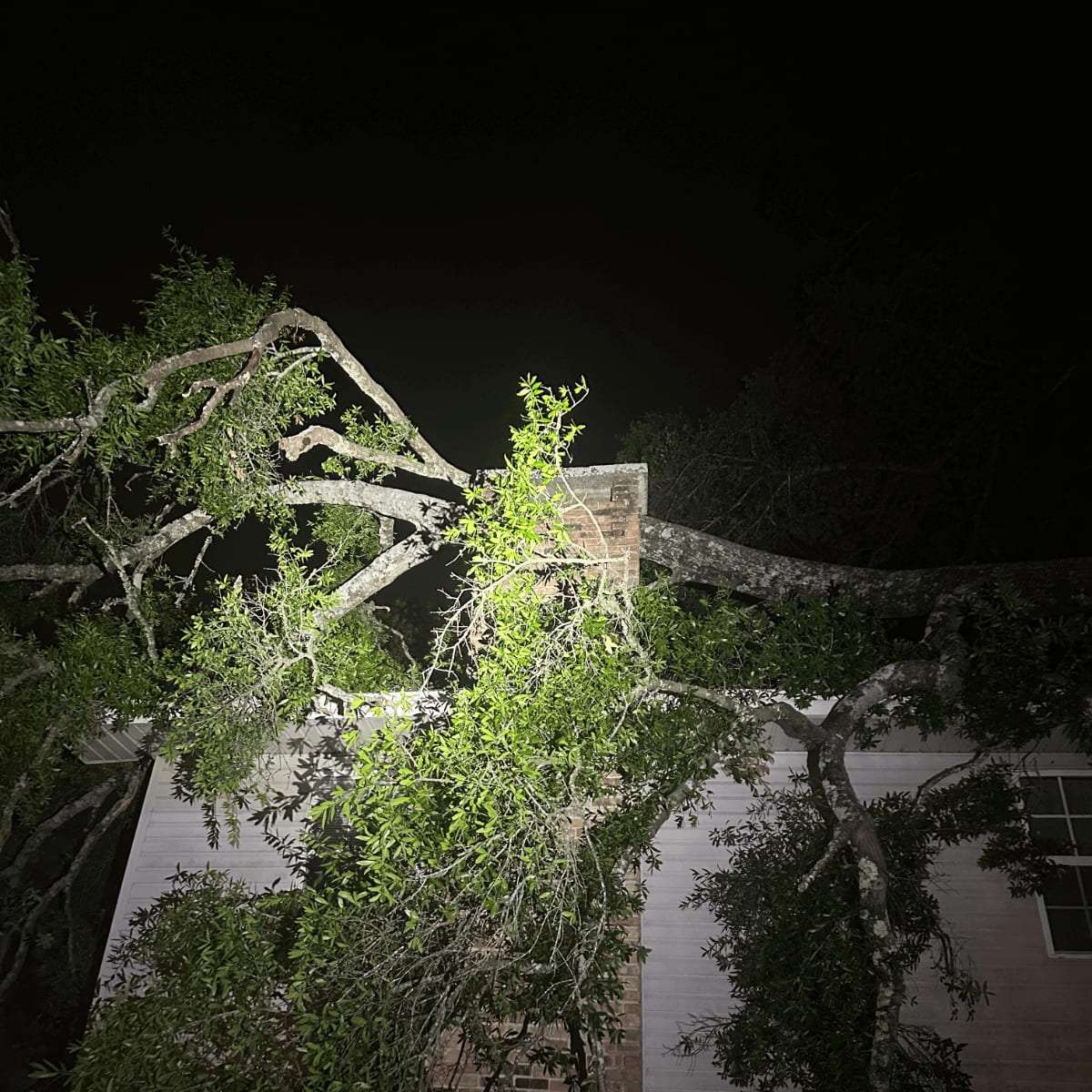
- High Winds and Storm Activity: The region’s susceptibility to hurricanes and tropical storms means trees are frequently subjected to high winds. Weakened trees or those with compromised root systems are more likely to fall, causing significant property damage.
- Coastal Stressors: Trees near coastal areas endure salt air and stronger winds. This environmental stress can degrade tree health, making them more vulnerable to root issues and less resilient against damage.
- Long Growing Season: Northwest Florida’s extended warm periods lead to rapid tree growth. While beneficial for canopy development, it also means roots can expand more quickly, necessitating more frequent monitoring and maintenance to prevent interference with structures.
- Fluctuating Precipitation: Periods of heavy rainfall followed by drought can stress trees. Roots may grow more aggressively towards reliable water sources, like leaky pipes, during dry spells, or suffer from suffocation during prolonged wet periods.
Cost of Repairing Tree Root Damage
The cost of repairing tree root damage varies significantly based on the type, extent, and location of the damage. Early detection and intervention are always more cost-effective than waiting for problems to escalate.
| Type of Damage | Key Factors |
| Minor Foundation Cracks | Crack size, accessibility, and foundation type |
| Major Foundation Repairs | Extent of structural compromise, underpinning needs |
| Root Removal from Pipes | Method (snaking, hydro jetting), pipe material, blockage severity |
| Underground Pipe Replacement | Pipe length, depth, excavation complexity, material costs |
| Sidewalk/Driveway Repair | Area size, material (concrete, asphalt, pavers), root removal |
| Root Barrier Installation | Barrier type, length, depth, existing root removal |
Foundation Repairs
Roots can create or expand cracks in concrete slabs, brick, or block foundations. The severity dictates the repair method and price.
- Minor Cracks: Repairing small foundation cracks due to root pressure typically costs.
- Extensive Damage: Larger-scale foundation repairs, which might involve underpinning or significant structural work even more, depending on the scope.
Plumbing System Repairs
Tree roots are notorious for infiltrating sewer lines, water pipes, and septic systems, causing blockages and leaks. Addressing these issues requires specialized equipment and expertise.
- Root Removal from Pipes: Professional services for removing roots from pipes, from a simple drain snake to hydro jetting and camera inspection. The average cost for professional root removal.
- Pipe Replacement: If roots have severely damaged or crushed pipes, replacement becomes necessary. especially if extensive excavation is required.
Hardscaping and Pavement Repairs
Patios, driveways, and sidewalks are often the first visible casualties of aggressive tree roots. Repairing these surfaces involves removing the damaged section and rebuilding.
- Sidewalk Repair: Removing roots and repairing a damaged sidewalk section.
- Driveway Repair: For driveways, damage from tree roots often requires concrete cutting and repouring, depending on the extent of the issue.
- Patio Replacement: Patios severely damaged by tree roots may require full replacement, depending on the materials used and the size of the area.
Preventing Tree Root Damage: Expert Strategies
Preventing tree root damage is far more effective and less costly than repairing it. Thoughtful planning and proactive measures can protect your property for years to come.
Proper Tree Selection and Planting
The right tree in the right place is the first line of defense against root issues. Consider the mature size and root aggressiveness of any species before planting.
- Choose Non-Aggressive Species: Opt for trees with less aggressive root systems, especially when planting near structures. Research a tree’s mature root spread.
- Maintain Safe Distance: Plant trees at a significant distance from foundations, pipes, and paved areas. A general rule of thumb is to plant at least as far away as the tree’s mature canopy spread.
- Avoid Shrinkable Clay Soils: If your property has shrinkable clay soils (less common in sandy Northwest Florida but still possible in some pockets), be extra cautious, as these amplify root-induced subsidence risks for older, shallow foundations.
- Correct Planting Depth: Ensure trees are planted at the proper depth. Roots that are too shallow may spread aggressively on the surface, causing hardscaping damage.
Installing Root Barriers
Root barriers create a physical obstruction, directing roots downward or away from vulnerable areas.
- Physical Barriers: These are typically made of plastic, metal, or fabric and are installed vertically into the ground between the tree and the structure.
- Chemical Barriers: While less common for structural protection, some chemical treatments can deter root growth in specific areas. Always consult a professional for these.
- Strategic Placement: Barriers are most effective when installed correctly, considering the tree’s growth habits and the depth of the threatened structure. D’s Trees can advise on proper installation.
Regular Maintenance and Monitoring
Regular care and monitoring keep trees healthy and help manage root growth before it becomes a problem.
- Routine Inspections: Periodically check your property for any signs of root encroachment or damage, especially after heavy rains or droughts.
- Professional Root Pruning: If roots are encroaching, an ISA Certified Arborist can perform precision root pruning to remove problematic roots while minimizing harm to the tree’s health and stability. Cutting structural roots over 4 inches in diameter can compromise tree stability, so professional assessment is vital.
- Adequate Watering: Ensure trees receive sufficient water, especially during dry periods. This discourages roots from aggressively seeking moisture in pipes or foundations.
DIY vs. Professional Tree Root Management
When faced with tree root issues, property owners often wonder whether to tackle the problem themselves or call in professionals. Each approach has distinct advantages and disadvantages.
| Aspect | DIY Approach | Professional Service |
| Cost | Lower initial outlay (materials, basic tools) | Higher upfront cost, but often more cost-effective long-term |
| Expertise & Knowledge | Limited, relies on online research or a basic understanding | ISA Certified Arborists with deep knowledge of tree biology, root systems, local regulations, and structural impacts |
| Equipment | Basic hand tools, rented equipment (e.g., drain snake) | Specialized equipment (hydro jetting, root saws, cranes, diagnostic cameras) |
| Safety | Higher risk of injury, property damage, or tree destabilization | Trained and insured crews, adherence to safety protocols, and property damage prevention guarantee |
| Effectiveness | Often temporary fixes, risk of recurring problems, potential for tree harm | Long-term solutions, proper diagnosis, minimize tree stress, and address the root cause |
| Permits & Regulations | Often overlooked, leading to fines or improper work | Knowledgeable about local permitting requirements in Northwest Florida |
| Time & Effort | Can be very time-consuming and labor-intensive | Efficient, quick execution, minimal disruption to your schedule |
Frequently Asked Questions
How do tree roots damage foundations and pipes?
Tree roots seek moisture and nutrients. If your foundation or pipes have existing cracks, roots can infiltrate and expand these openings, causing significant structural damage over time. They don’t actively ‘break’ solid structures but exploit weaknesses.
What are the first signs of tree root damage?
Common signs include cracks in sidewalks, driveways, or building foundations; lifted pavement; slow drains or recurring plumbing clogs; and visible roots growing close to structures. Inspecting your property regularly can help catch issues early.
What’s the typical cost to fix tree root damage?
Costs vary widely based on damage type and severity. Minor foundation crack repairs might cost $500-$1,000, while major foundation work can exceed $10,000. Pipe replacement can range from $1,000 to $20,000, and root barrier installation often costs $1,000 or more.
Do I always need to remove the tree if its roots are causing problems?
Not always. For minor issues, root pruning or installing a root barrier can be effective. If the tree is large, healthy, and poses a significant threat, or if damage is severe, removal might be the safest long-term solution. An arborist can advise.
Are permits required for tree root removal or tree work in Northwest Florida?
Yes, local regulations in Florida often require permits for tree removal or significant pruning, even on private property. However, under Florida Statute 163.045, a local government may not require a permit or fee for tree removal on residential property if the property owner possesses documentation from an ISA Certified Arborist or Florida-licensed landscape architect that the tree poses an unacceptable risk to persons or property.
What services does D’s Trees offer for tree root problems?
D’s Trees offers comprehensive services, including arborist consultations to assess root damage, precision root pruning, tree removal, stump grinding, and emergency services. Our ISA Certified Arborists ensure safe and effective solutions tailored to your property.
Protect Your Property with Professional Tree Root Solutions
Addressing tree root issues promptly protects your property and maintains its value. When you face complex root problems, professional expertise is essential. D’s Trees brings unmatched experience and a commitment to quality to every project, ensuring safe, effective solutions for your home or business. Don’t let root damage escalate; reach out to D’s Trees today for a professional assessment and lasting peace of mind. We’re ready to help.