April 24, 2026
Key Takeaways
- Maturity Matters: Southern Magnolias often require 10 to 15 years of growth before they produce their first significant bloom.
- Nitrogen Imbalance: Over-fertilizing nearby turf can lead to excessive leaf growth at the expense of flower production.
- Environmental Stress: Late spring frosts and extreme drought are the most common environmental killers of Magnolia buds.
- Pruning Mistakes: Trimming your Magnolia at the wrong time of year can accidentally remove next season’s flower “initials.”
- Health Over Aesthetics: A lack of blooms is often a secondary symptom of deeper structural or soil issues that require professional diagnosis.
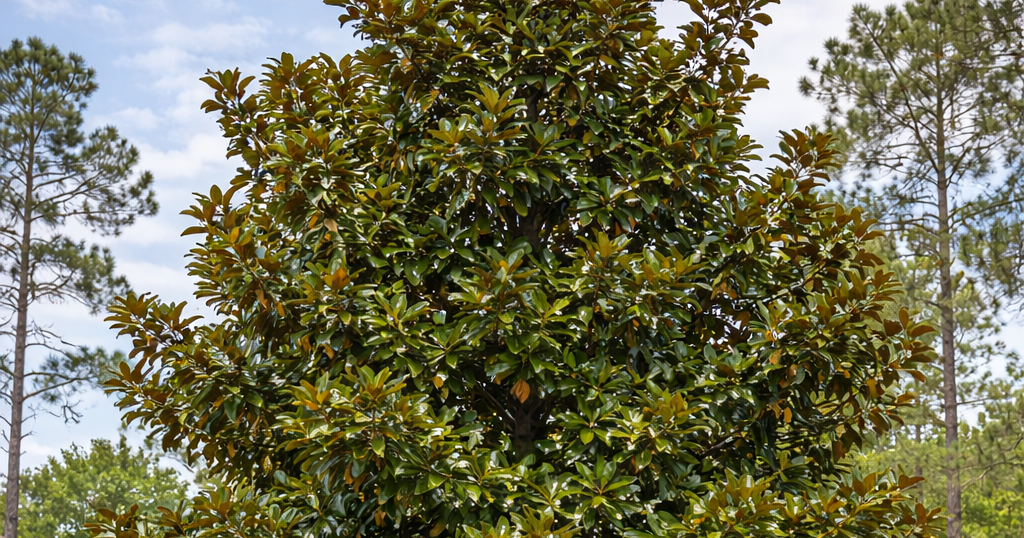
The Southern Magnolia (Magnolia grandiflora) is the undisputed crown jewel of the Gulf Coast landscape. From the historic estates of Pensacola to the new developments in Milton, homeowners eagerly anticipate the arrival of those massive, fragrant white blossoms every spring. However, it can be incredibly frustrating when your tree remains a wall of green with no flowers in sight. For new homeowners, understanding these triggers is the first step in transitioning a stubborn tree into a seasonal showstopper.
Common Tree Problems New Homeowners Overlook
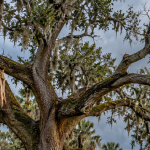
New homeowners often inherit mature Magnolias and assume that green leaves equal a healthy, blooming tree. In reality, Magnolias are sensitive “divas” of the plant world. They are highly susceptible to changes in their immediate environment that might not be visible to the untrained eye.
- The “Turf War” with Nitrogen: Many homeowners prize a vibrant, dark green lawn. However, the high-nitrogen fertilizers used on Pensacola turfgrass can actually suppress Magnolia blooms. Nitrogen promotes vegetative growth (leaves and branches). When a tree is flooded with nitrogen from lawn runoff, it “forgets” to produce flowers and focuses entirely on getting bigger.
- Root Compaction and Construction Stress: Magnolias have unusually fleshy, rope-like roots that sit very close to the soil surface. If a new homeowner has recently completed a driveway expansion, installed a fence, or even parked heavy equipment under the canopy, the resulting soil compaction can stress the tree enough to cancel its blooming cycle.
- The “Juvenile” Phase: If you recently planted a Magnolia, patience is required. Unlike some flowering shrubs that bloom in their first year, a seed-grown Southern Magnolia can take over a decade to reach reproductive maturity. Even “cultivars” like the ‘Little Gem’ or ‘Bracken’s Brown Beauty’ need a few years to establish their root systems before they can spare the energy for flowers.
Why Magnolias Become Emergencies
While a lack of flowers is a cosmetic issue, it is often the “canary in the coal mine” for larger structural problems.
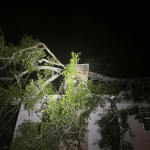
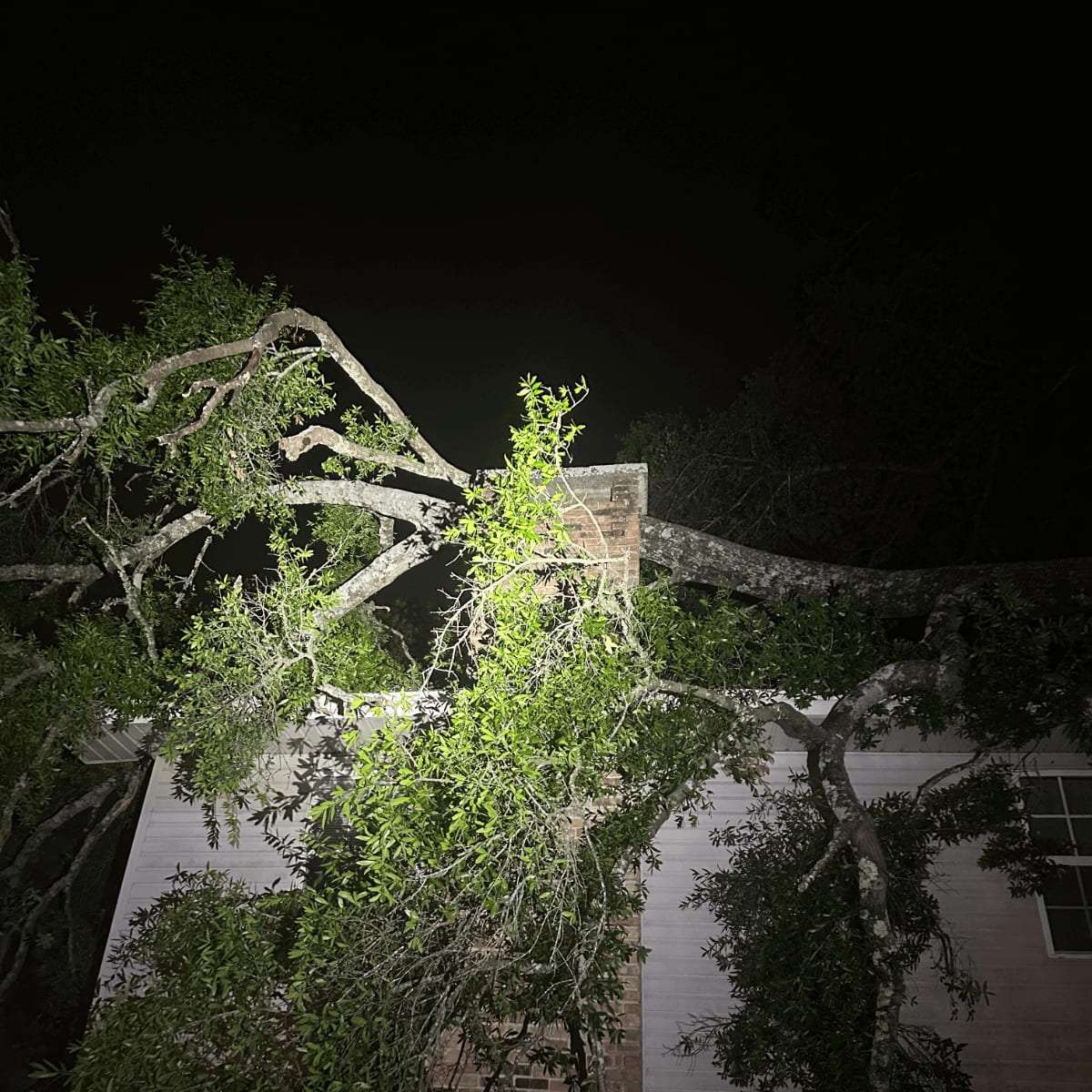
Inner Canopy Dieback: When a Magnolia stops blooming, it may be because it is diverting all its energy to survival. If you notice the interior leaves turning yellow and dropping excessively, or if you see “cankers” (open sores) on the branches, the tree may be suffering from a fungal infection like Verticillium wilt. A stressed, non-blooming tree is significantly more likely to lose large limbs during a tropical storm.
Scale and Pest Infestations: Magnolia Scale is one of the largest scale insects in North America. They suck the sap from branches, weakening the tree to the point where it cannot form buds. If left untreated, the “honeydew” they secrete leads to black sooty mold, which blocks sunlight from the leaves, further spiraling the tree’s health downward.
Emergency Tree Services for New Homeowners
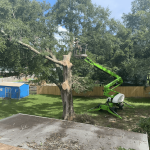
If your Magnolia shows signs of rapid decline alongside its lack of blooms, emergency tree services for new homeowners can intervene before the tree becomes a hazard. These services include:
- Soil Air-Spading: Using compressed air to loosen compacted soil around the sensitive roots without damaging them.
- Hazard Pruning: Removing heavy, diseased limbs that pose a threat to structures during high-wind events.
- Systemic Pest Control: Eliminating Magnolia Scale and borers that drain the tree‘s reproductive energy.
- Deep-Root Nutrition: Applying a balanced, low-nitrogen fertilizer specifically formulated for flowering hardwoods.
A professional tree service firm like D’s Trees helps homeowners navigate this “Double Threat” by deploying ISA-Certified Arborists who utilize professional-grade systemic trunk injections to kill EAB larvae while simultaneously providing deep-root watering and fertilization to restore the health of drought-stressed heritage trees.
5 Reasons Your Southern Magnolia Isn’t Blooming
1. Improper Pruning Timing
Magnolias set” their flower buds for the following year in the late summer and fall. If you pruned your tree in the winter or early spring to “shape it up,” you likely cut off all the developing flowers.
- The Fix: Only prune Magnolias immediately after they finish blooming in the summer.
2. Late Spring Frosts
In Northwest Florida, we often get a “false spring” in February followed by a sudden freeze. If the Magnolia buds had already begun to swell, a single night of 28-degree weather can kill the delicate flower tissues inside the bud while leaving the hardy leaves untouched.
3. Extreme Drought or Saturated Soil
Magnolias hate “wet feet” but also require consistent moisture. In the sandy soils of Navarre or Pensacola Beach, a dry spring can cause the tree to abort its buds to conserve water. Conversely, in the heavy clays of Milton, poor drainage can rot the fine feeder roots responsible for nutrient uptake.
4. Lack of Sunlight
Southern Magnolias are “full sun” trees. If a nearby Oak or Pine has grown over the Magnolia, the lack of light will signal the tree to stop blooming. A tree in deep shade will become “leggy” and produce very few, if any, flowers.
5. Soil pH Imbalance
Magnolias prefer slightly acidic soil (pH 5.0 to 6.5). Many coastal properties have alkaline soil due to limestone or seashells. When the pH is too high, the tree cannot “unlock” phosphorus – the key nutrient required for flower production.
Real-World Field Insights
We recently worked with a homeowner in Gulf Breeze whose 20-year-old Magnolia hadn’t bloomed in three years. The tree looked green, but a soil test revealed the pH was a staggering 7.8, and the soil was rock-hard from a nearby pool construction project.
Lesson: By using an air-spade to decompact the soil and applying an elemental sulfur treatment to lower the pH, we “unlocked” the soil’s nutrients. The following spring, the tree produced over 100 blossoms. Local experts like Ds-Trees can diagnose these hidden chemical and physical barriers to blooming.
Placement and Long-Term Safety
- Space for Growth: Never plant a Southern Magnolia within 20 feet of your home. Their root systems are powerful and can lift walkways or interfere with foundations.
- Wind Protection: While hardy, their large leaves act like sails. Planting them in a spot with some protection from the harshest Gulf winds can prevent “foliar burn” and bud loss.
- Mulching: Keep a wide ring of mulch around the base (but not touching the bark) to protect those shallow roots from lawnmower damage and temperature swings.
Frequently Asked Questions
How do I know if I need emergency tree services?
If your Magnolia is leaning, has large dead sections in the canopy, or shows deep cracks in the trunk, it is a safety hazard regardless of its bloom status.
Why are the leaves on my Magnolia turning yellow?
It is normal for older leaves to turn yellow and drop in the spring as new growth appears. However, if new leaves are yellow, it usually indicates a nutrient deficiency (chlorosis).
Can I force my Magnolia to bloom?
You can’t “force” it, but you can “invite” it by ensuring it has 6+ hours of sun and the correct soil pH.
Is Magnolia Scale dangerous?
Yes. It can eventually kill branches and weaken the entire tree’s structural integrity.
How often should I water my Magnolia?
During dry spells, a deep soaking once a week is better than light daily watering.
Does a lack of blooms mean the tree is dying?
Not necessarily. It usually means the tree is stressed or immature, but it should be investigated.
What is the best fertilizer for Magnolias?
Look for a “Slow Release” fertilizer with a higher middle number (Phosphorus), such as a 10-20-10 blend.
Can I move a large Magnolia that isn’t blooming?
Magnolias are notoriously difficult to transplant once they are over 6 feet tall due to their sensitive root systems.
Conclusion
A Southern Magnolia without its blossoms is like a choir without a lead singer; it’s still beautiful, but it’s missing its most important part. By identifying which of the 5 reasons is holding your tree back, you can take the necessary steps to restore its health. Whether it’s adjusting your pruning schedule or calling in emergency tree services for new homeowners to fix soil compaction, your Magnolia can return to its former glory. Trust the experts at D’s Trees to keep your heritage trees safe, healthy, and blooming for generations to come.