February 27, 2026
Are you noticing your beautiful Northwest Florida trees losing their vibrant green, turning instead to a concerning yellow? This common issue, known as chlorosis, can be a sign of underlying problems impacting your tree’s health. Understanding what these yellow leaves mean is the first step towards bringing your trees back to life. D’s Trees, your trusted local arborists, helps property owners across Pensacola, Pace, Milton, and surrounding areas diagnose and effectively treat these issues.
Key Takeaways
- Yellow leaves on Northwest Florida trees often signal nutrient deficiencies, water stress, pest infestations, or specific diseases common to our humid climate.
- Navigating local rules is essential for property owners. In the City of Pensacola, permits are strictly required for the removal or significant pruning of ‘Protected’ or ‘Heritage’ trees. Furthermore, Florida Statute 163.045 provides specific exemptions for removing hazardous trees on residential property if documented by a certified arborist.
- D’s Trees offers comprehensive tree health assessments and targeted treatments, performed by ISA Board Certified Master Arborists, to accurately diagnose and resolve chlorosis.
- Choosing a professional service like D’s Trees ensures expert care, property damage prevention, and adherence to local tree protection ordinances.
- Preventative measures, consistent monitoring, and timely arborist consultations are vital for maintaining the long-term health of your trees.
What is Chlorosis? Understanding Yellow Leaves on Trees
Chlorosis is the yellowing of leaves caused by a lack of chlorophyll. According to the University of Florida (UF) IFAS Extension, this is often a symptom of high soil pH or root dysfunction, which prevents trees from absorbing essential micronutrients like iron and manganese, effectively ‘starving’ the tree even if nutrients are present in the soil.
Common Causes of Yellow Leaves in Northwest Florida Trees
In Northwest Florida, several factors contribute to leaves turning yellow. Our unique subtropical climate, sandy soils, and coastal influences create specific challenges for tree health. Recognizing these common causes helps us pinpoint the right solution for your landscape.
Nutrient Deficiencies
Our region’s sandy soils often lack vital nutrients. Trees need a balanced diet, just like we do. Deficiencies in key elements can quickly lead to chlorosis.
- Iron (Fe): Often causes yellowing between leaf veins (interveinal chlorosis) while veins stay green. Common in our alkaline or compacted soils.
- Nitrogen (N): Leads to an overall pale green or yellow color, often starting with older leaves. Nitrogen is crucial for leaf growth.
- Magnesium (Mg): Similar to iron, causing interveinal yellowing, especially in older leaves.
- Manganese (Mn): Can also cause interveinal chlorosis, affecting newer leaves first in severe cases.
Water Stress
Both too much and too little water can stress a tree, leading to yellow leaves. It’s a delicate balance, especially with our sometimes heavy rains and hot, dry spells.
- Underwatering: Leaves may turn yellow, crisp, and drop prematurely as the tree conserves moisture.
- Overwatering: This is a frequent culprit. Saturated soils deprive roots of oxygen, leading to root rot. When roots can’t function, leaves yellow and may drop.
Pest Infestations
Tiny invaders can cause big problems. Pests feed on tree sap or damage leaf tissue, disrupting nutrient flow and leading to yellowing.
- Aphids and Spider Mites: These small pests suck sap, weakening leaves and causing them to yellow, often accompanied by sticky residue or fine webbing.
- Scale Insects: These attach to stems and leaves, extracting sap and causing a gradual decline and yellowing.
- Boring Insects: While often targeting trunks, their activity can stress the entire tree, showing up as yellowing leaves.
Tree Diseases Prevalent in Our Climate
Northwest Florida’s warm, humid climate creates an ideal breeding ground for various tree diseases. These pathogens can directly impact leaf health.
- Oak Wilt: A serious fungal disease causing rapid yellowing and browning, often starting from the top of the tree.
- Ganoderma Root Rot: Primarily affects palms and hardwoods, causing internal decay and a general decline, including yellowing leaves.
- Anthracnose and Leaf Spot Diseases: Fungal infections that create spots, blotches, and premature yellowing on leaves.
- Laurel Wilt is an aggressive fungal disease spread by the invasive Redbay Ambrosia Beetle. If you notice rapid wilting and dark streaking in the sapwood of your Redbay or Sassafras trees, the Florida Department of Agriculture (FDACS) recommends immediate reporting to prevent further spread to Florida’s avocado industry.
Environmental Factors & Physical Damage
Beyond biological threats, a tree’s surroundings and past experiences can also contribute to yellowing leaves.
- Light Imbalance: Trees need the right amount of sun. Too little for sun-loving species or too much for shade-preferring ones can cause stress and yellowing.
- Temperature Extremes: Sudden cold snaps or prolonged heat waves can shock trees, leading to leaf discoloration.
- Soil Alterations: Changes in grade, construction, or compaction around a tree’s root zone restrict oxygen and water uptake, severely impacting health.
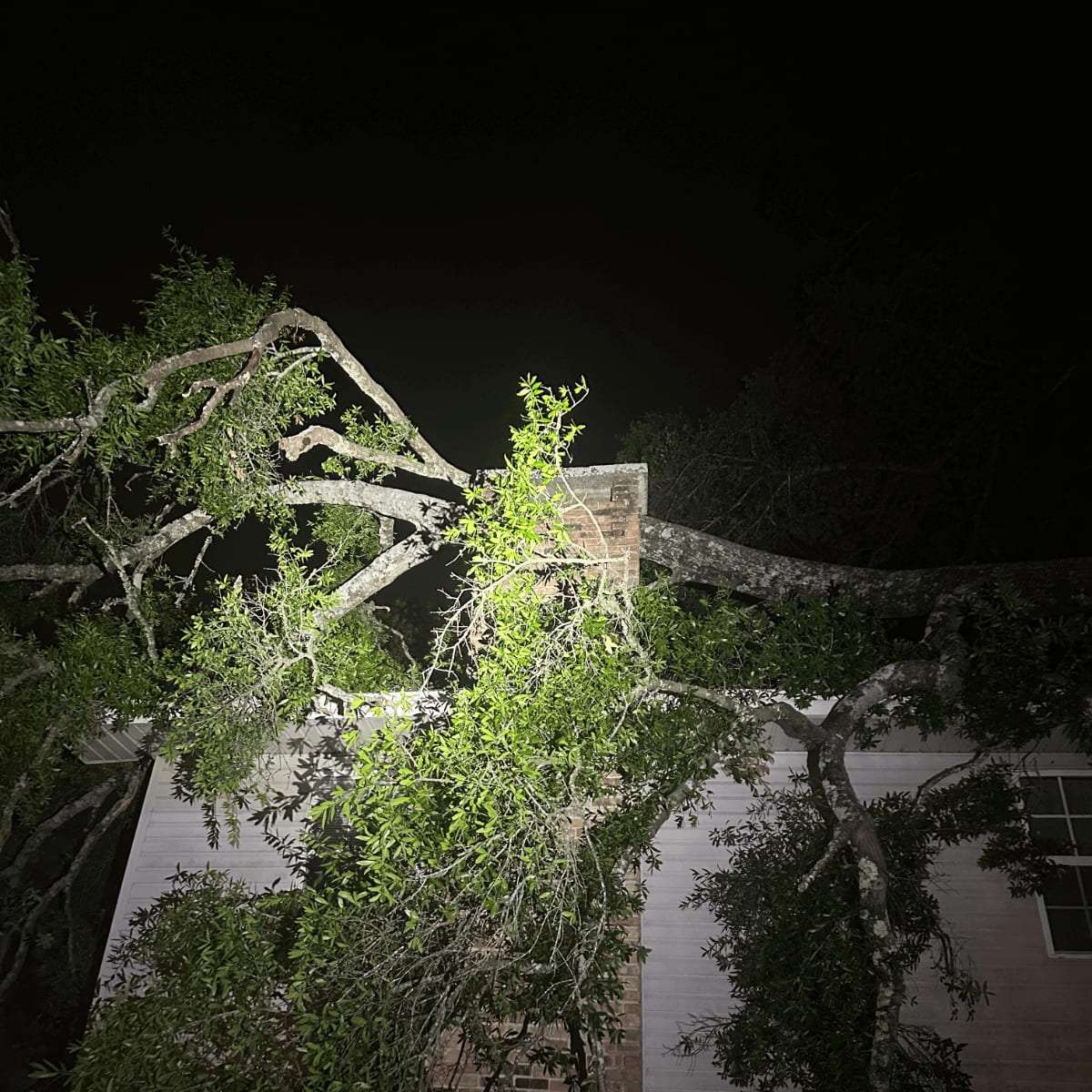
- Hidden Trunk Damage: Our region’s vulnerability to hurricanes means trees can suffer internal damage not immediately visible, leading to a slow decline and yellowing leaves as nutrient flow is disrupted.
Improper Planting & Herbicide Exposure
Sometimes, the problem starts with how a tree is introduced to its environment or what chemicals it encounters.
- Planting Too Deeply: If a tree is planted with its root collar buried, it can suffocate and lead to chronic stress, including yellowing.
- Herbicide Drift: Chemicals used nearby can drift onto tree leaves, causing damage, discoloration, and sometimes death of the foliage.
Natural Leaf Senescence
Not all yellow leaves mean trouble. Sometimes, it’s just nature taking its course.
- Deciduous Trees: In autumn, trees like oaks and maples naturally shed their leaves after a vibrant yellow or red display.
- Evergreen Trees: Even evergreens shed older leaves throughout the year. If it’s just a few older, interior leaves, it’s usually normal.
DIY vs. Professional Tree Care for Yellow Leaves
When dealing with yellow leaves, you might wonder if you can handle it yourself. While some minor issues can be addressed by a homeowner, severe or persistent chlorosis often requires professional intervention. Here’s a quick comparison:
| Aspect | DIY Approach | Professional with D’s Trees |
| Diagnosis | Guesswork, general online searches, and limited tools. | Accurate diagnosis by ISA Certified Arborists, soil testing, and specific pest/disease identification. |
| Treatment | Generic fertilizers, trial-and-error watering, and potentially harmful remedies. | Targeted nutrient amendments, specialized pest/disease treatments, and precise irrigation advice. |
| Expertise | Basic gardening knowledge, risk of misdiagnosis. | Deep understanding of tree biology, local climate, and specific Northwest Florida tree issues. |
| Safety | Risk of injury from ladders, improper tool use, or falling limbs. | Trained and insured professionals, proper equipment, and adherence to safety protocols. |
| Long-Term Health | Temporary fixes, potential for recurring issues. | Sustainable solutions, preventative care, and promoting long-term tree vitality. |
| Cost | Initial low cost, but potential for wasted money on wrong treatments or irreversible damage. | Investment in correct, lasting solutions, potentially saving money on future tree replacement. |
Frequently Asked Questions
What causes yellow leaves on trees in Northwest Florida?
Yellow leaves, or chlorosis, happen when leaves don’t produce enough chlorophyll. This can be due to nutrient deficiencies like iron or nitrogen, too much or too little water, pest infestations, diseases, or environmental stress. Pinpointing the exact reason requires a professional assessment.
What should I do if my tree leaves are turning yellow?
First, check soil moisture; ensure it’s not too wet or too dry. Look for visible signs of pests. For a precise diagnosis, especially with nutrient issues common in our sandy soils or potential diseases, contacting a certified arborist like D’s Trees is the best approach.
Is it normal for some tree leaves to turn yellow?
Yes, some yellowing is natural. Deciduous trees shed leaves in the fall, and even evergreens lose older leaves throughout the year. However, widespread or premature yellowing often indicates a problem. An arborist can tell you if it’s normal or a concern.
How can D’s Trees help with yellowing tree leaves?
A certified arborist can accurately diagnose the cause through soil tests, visual inspections, and identifying specific pests or diseases. They then create a tailored treatment plan, which might include nutrient amendments, pest control, disease management, or proper pruning techniques.
Are specific tree diseases in Northwest Florida known to cause yellow leaves?
Many tree diseases thrive in Northwest Florida’s humid weather. Common culprits causing yellow leaves include Oak Wilt, Ganoderma Root Rot, Anthracnose, and Laurel Wilt. Early detection is crucial for managing these issues effectively.
How can I prevent my trees from getting yellow leaves?
Maintaining proper watering schedules, ensuring good soil drainage, regular pruning, and timely pest and disease monitoring are key. Consider professional tree health assessments regularly to catch issues early and promote robust growth in our local conditions.
Get Expert Help When Yellow Leaves Signal a Bigger Tree Health Problem
Seeing yellow leaves on your trees in Northwest Florida is often a signal for deeper issues. From nutrient imbalances to pest problems or even hurricane damage, understanding the cause is the first step to a healthy recovery. Don’t let your valuable trees suffer. D’s Trees, your local ISA Board Certified Master Arborists, stands ready to diagnose and provide expert care. Reach out to D’s Trees today for a comprehensive tree health assessment and ensure your landscape thrives.