March 26, 2026
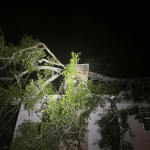
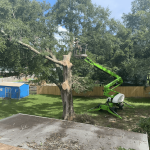
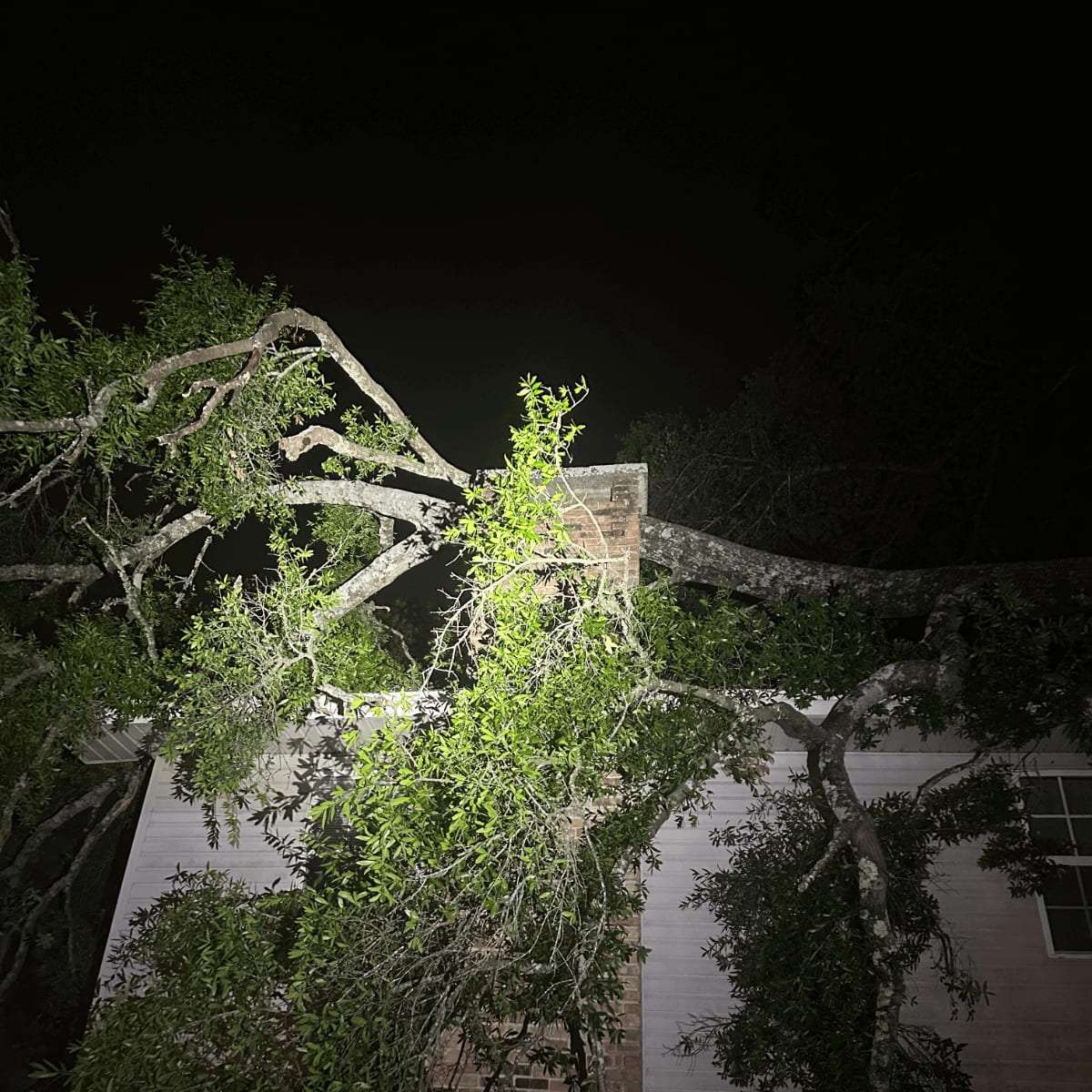
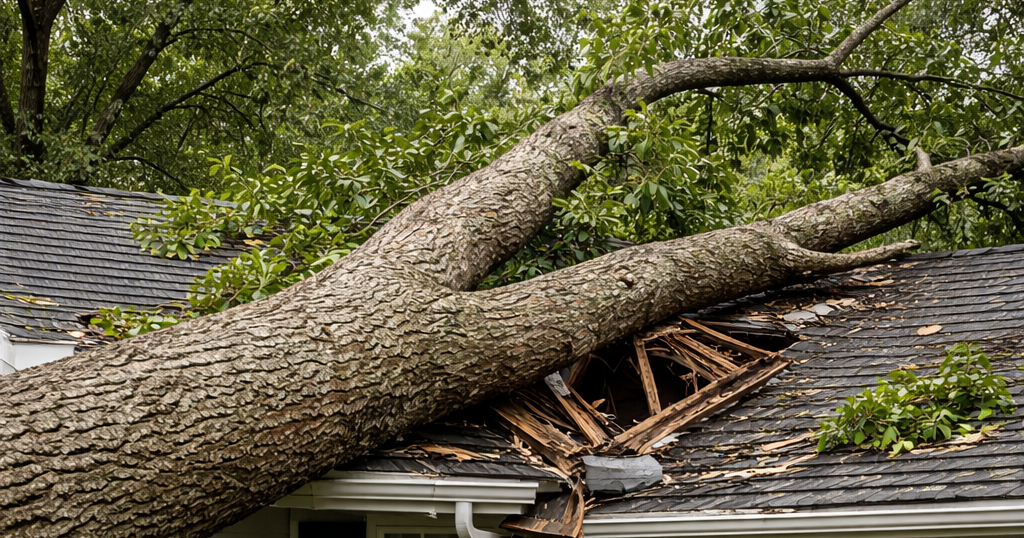
A tree crashing onto your roof is a homeowner’s nightmare, bringing immediate stress, potential danger, and significant damage. Whether it’s the aftermath of a hurricane, a severe storm, or an unexpected failure, knowing exactly what to do can protect your family, minimize further damage, and streamline your recovery. This guide provides immediate, actionable steps for Northwest Florida homeowners facing such an emergency, from ensuring safety to navigating insurance and professional tree removal.
Key Takeaways
- Prioritize safety by evacuating immediately and assessing for hazards like power lines or gas leaks.
- Document all damage extensively with photos and videos for your insurance claim.
- Contact your homeowner’s insurance provider promptly to initiate the claims process.
- Hire an ISA Certified, insured, and licensed professional for safe and efficient tree removal.
- Understand that emergency tree removal costs vary, but services like ‘No Money Upfront Insurance Billing’ can ease financial strain.
- Implement preventative tree maintenance tailored to Northwest Florida’s climate to reduce future risks.
What Is a Tree Fall Emergency?
When a tree falls on your roof, it’s an emergency requiring immediate, decisive action to protect lives and property. This isn’t just about a fallen limb; it’s often a catastrophic event that compromises your home’s structural integrity and exposes it to further elements. Understanding the gravity of the situation helps you react effectively, ensuring safety remains your top concern.
Immediate Actions: Safety First, Always
Your safety and the safety of your loved ones are the absolute priorities when a tree impacts your home. Do not delay in taking these critical steps.
Prioritize Evacuation and Personal Safety
If a tree has fallen on your roof, especially if you hear cracking, see visible structural damage, or suspect a gas leak, evacuate your home immediately. Gather your family and pets, and move to a safe location away from the structure. Your home’s stability can be compromised, and lingering inside risks serious injury.
Assess for Immediate Hazards (Power Lines, Gas Leaks)
Once safely outside, quickly scan for other dangers. Are there downed power lines near your home or touching the tree? Do you smell natural gas? These are life-threatening hazards that require immediate attention from emergency services. The National Weather Service advises homeowners to stay away from damaged trees and downed power lines after severe storms and to keep trees near the home properly trimmed to reduce storm damage risk.
- Downed Power Lines: Never approach or touch downed power lines or anything they are touching. Assume they are live and extremely dangerous. Call 911 immediately.
- Gas Leaks: A strong odor of rotten eggs indicates a gas leak. Shut off your home’s main gas supply if it’s safe to do so, and call 911 or your gas company.
- Structural Instability: Look for sagging ceilings, cracked walls, or shifting foundations. These are signs your home might be unstable.
Document the Damage Thoroughly
Once the immediate danger has passed and it’s safe to do so, thoroughly document all damage. This evidence is crucial for your insurance claim and will expedite the process.
- Photos & Videos: Take clear, well-lit photos and videos from multiple angles. Capture the tree, its point of impact, and all resulting damage to the roof, interior, landscaping, and any other affected property.
- Close-Ups & Wide Shots: Include both detailed close-ups of specific damage and wider shots showing the overall scene.
- Date & Time Stamp: Use a camera or phone that automatically stamps photos with the date and time.
- Record Notes: Jot down notes about the time of the incident, weather conditions, and any observations you make.
Navigating the Aftermath: Insurance and Professionals
After ensuring safety and documenting the damage, your next critical step is to engage with your homeowner’s insurance provider and secure professional help. This process can feel overwhelming, but understanding what to expect helps.
Contacting Your Homeowner’s Insurance Provider
Notifying your insurance company quickly is vital. The sooner you report the damage, the faster your claim can be processed. Provide them with all the documentation you’ve collected.
- Prompt Reporting: Call your insurer as soon as you’re safe and have initial documentation. Many companies have 24/7 emergency lines.
- Policy Number Ready: Have your policy number and any relevant details readily available.
- Be Detailed: Explain the situation clearly, detailing the damage and any immediate safety concerns.
- Ask About Emergency Services: Inquire if they recommend any emergency services or have specific procedures for immediate tarping or tree removal. They may send an adjuster or recommend a contractor.
Understanding Your Coverage: What’s Covered, What’s Not
Homeowner’s insurance typically covers tree removal and roof repair if the tree falls due to a covered peril like wind, lightning, or hail and hits a covered structure. According to the Insurance Information Institute, if a tree strikes an insured structure, most homeowners policies help pay to remove the tree, generally up to about 500 to 1,000 dollars, but they usually do not cover debris removal when no insured structure is damaged, with limited exceptions such as blocked driveways. However, there are important limitations.
| Feature | Typically Covered | Generally Not Covered |
| Tree Removal | If the tree falls due to a covered peril and damages a covered structure such as a house, garage, fence, or blocks your driveway. | If the tree falls due to neglect, such as disease or rot, or if it does not hit a covered structure. Removal of healthy standing trees is usually not covered. |
| Property Damage | Repair costs for your roof, walls, windows, and other parts of the home damaged by the fallen tree. | Damage caused by poor maintenance or pre-existing structural issues with the tree. |
| Additional Living Expenses (ALE) | Temporary housing, food, and necessary expenses if your home becomes uninhabitable during repairs. | Costs if you choose to leave your home for convenience rather than because it is unsafe to stay. |
| Deductible | You must pay your deductible before insurance coverage applies to repairs and tree removal. | If the event is not covered, insurance will not pay any portion of the claim. |
The Insurance Claim Process: Step-by-Step
Navigating an insurance claim can be complex. Here’s a general overview of the steps you’ll likely follow:
- Step 1: Report the Claim: Contact your insurer immediately after securing your safety and documenting damage.
- Step 2: Adjuster Inspection: An insurance adjuster will visit your property to assess the damage. Be present, provide all your documentation, and point out every area of concern.
- Step 3: Get Estimates: Obtain detailed repair estimates from qualified professionals, including tree removal specialists and roofing contractors. D’s Trees provides comprehensive estimates.
- Step 4: Review Offer: Your insurance company will send you a settlement offer. Review it carefully to ensure it covers all necessary repairs and removal costs.
- Step 5: Repairs & Payment: Once you accept the offer, repairs can begin. Funds are often released in stages, with some paid upfront and the remainder upon completion.
Who to Call: Choosing the Right Tree Removal Service
Removing a large tree from a damaged roof is not a DIY project. It’s dangerous, requires specialized equipment, and should only be handled by experienced professionals. Choosing the right tree service is crucial for safety and effective recovery.
Why Professional Tree Removal is Non-Negotiable
Attempting to remove a large tree from your roof yourself is incredibly risky. You could sustain severe injuries, cause more damage to your home, or even harm utility lines. Professional tree services have the expertise, equipment, and insurance to handle these complex situations safely.
- Safety First: Professionals are trained in safe rigging, cutting, and removal techniques, minimizing risks to people and property.
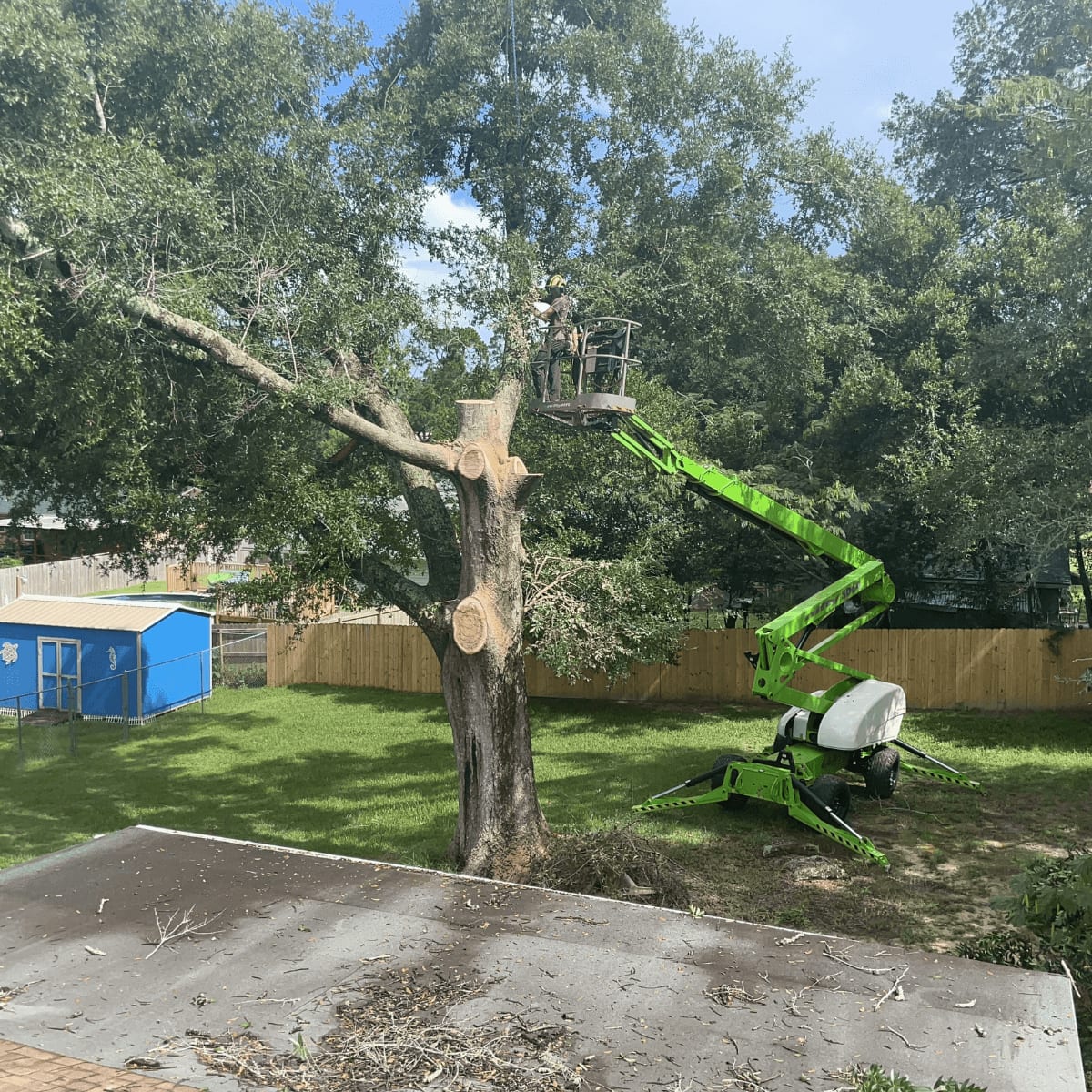
- Specialized Equipment: They use cranes, heavy machinery, and specialized tools that homeowners simply don’t have.
- Insurance & Liability: Reputable companies carry liability and workers’ compensation insurance, protecting you from financial responsibility if an accident occurs on your property.
- Prevent Further Damage: Incorrect removal can worsen roof damage or cause additional structural issues.
Vetting Emergency Tree Service Providers
Especially after a storm, ‘storm chasers’ and unethical contractors may appear. Vetting your tree service provider is essential to avoid scams and ensure quality work.
- Verify Insurance: Ask for proof of liability and workers’ compensation insurance. Call their insurer to confirm coverage.
- Check Certifications: Look for ISA (International Society of Arboriculture) Certified Arborists. This indicates a high level of knowledge and adherence to industry best practices.
- Local References & Reviews: Check online reviews and ask for local references. A strong local reputation is a good sign.
- Written Estimates: Always get a detailed, written estimate that outlines all services, costs, and timelines. Avoid companies demanding full upfront payment.
- Emergency Experience: Confirm their experience with emergency tree removal, particularly from structures.
The Advantage in Northwest Florida
For homeowners in Pensacola, Milton, and Pace, it stands out as the premier choice for emergency tree services. Our commitment to integrity, professionalism, and customer satisfaction ensures you receive top-tier care during a stressful time.
- ISA Certified Master Arborists: Our team includes highly skilled and certified arborists who understand tree biology and safe removal techniques.
- ‘No Money Upfront’ Insurance Billing: We work directly with your insurance company, easing your financial burden during an emergency. You won’t pay a dime upfront for covered services.
- Property Damage Prevention Guarantee: We prioritize protecting your property and ensuring safe, controlled removal.
- Responsive & Reliable: As a family-owned, veteran-operated business, we understand the urgency and provide prompt, courteous service.
- Comprehensive Cleanup: We don’t just remove the tree; we ensure thorough site restoration and cleanup, leaving your property tidy.
Cost Considerations: What to Expect for Tree Removal and Repairs
The cost of emergency tree removal can be substantial, varying widely depending on several factors. Understanding these costs and how they can assist with insurance billing helps manage expectations.
Average Costs for Emergency Tree Removal
While standard tree removal might range from $200-$2,000, emergency situations involving a tree on a roof are significantly more complex and costly. Expect higher prices due to the urgency, danger, and specialized equipment required.
- Typical Range: Emergency tree removal from a roof involves complex, high-risk work that requires specialized equipment and trained crews. The scope and difficulty of the job determine the overall effort involved.
- High-End Scenarios: If the tree is exceptionally large, located in a hard-to-reach area, entangled with power lines, or requires crane assistance, the removal process becomes more complex and time-intensive.
- Specialized Crews and Equipment: Emergency roof removals require experienced professionals, advanced rigging techniques, and heavy equipment to ensure safe removal without causing additional damage to the structure.
Factors Influencing the Final Price
Several factors directly influence the final price you’ll pay for emergency tree removal from your roof.
- Tree Size and Type: Larger trees, especially hardwoods, require more time and effort to remove.
- Location and Accessibility: Trees in tight spaces, near power lines, or with difficult access points increase complexity and cost.
- Extent of Damage: If the tree has splintered into many pieces or caused extensive structural damage, removal becomes more intricate.
- Crane Requirement: Using a crane significantly adds to the cost but is often necessary for safe removal from a roof.
- Time of Day/Urgency: Emergency services often incur higher rates, especially after hours or on weekends.
- Debris Removal: Hauling away all debris (branches, trunk sections) is usually included, but confirm this in your estimate.
The Value of “No Money Upfront” Insurance Billing
Facing a sudden, expensive emergency is tough. Understands this, which is why we offer a unique solution to alleviate immediate financial pressure.
- Immediate Relief: You won’t need to pay out-of-pocket for covered services before work begins, allowing you to focus on your family’s safety.
- Direct Communication: Handles communication and billing directly with your insurance company, simplifying the process for you.
- Streamlined Recovery: This service helps expedite the recovery process, as you won’t be waiting for insurance payouts before essential work can start.
- Transparency: We ensure clear communication regarding what’s covered and what isn’t, so there are no surprises.
Beyond Removal: Repairing Your Roof and Property
Once the fallen tree is safely removed, the focus shifts to repairing your home. This involves assessing the full extent of roof and structural damage and engaging qualified repair professionals.
Assessing Roof Damage and Structural Integrity
After tree removal, a thorough assessment of your roof and underlying structure is essential. What might look like minor damage could hide significant issues.
- Professional Inspection: Have a licensed roofing contractor and, if necessary, a structural engineer inspect your home for damage.
- Hidden Damage: Look beyond obvious holes for cracked rafters, damaged trusses, compromised sheathing, and water intrusion.
- Interior Impact: Check ceilings, walls, and foundations inside your home for cracks, water stains, or sagging that indicate structural stress.
Hiring a Qualified Roofing Contractor
Just as with tree removal, selecting a reputable roofing contractor is key to a lasting repair. Look for local companies with strong reputations.
- Licensed & Insured: Ensure the contractor holds all necessary state and local licenses and carries comprehensive insurance.
- Experience with Storm Damage: Choose a contractor experienced in repairing roof damage caused by fallen trees and severe weather.
- References & Reviews: Verify their reputation through past clients and online reviews.
- Detailed Contract: Get a written contract outlining the scope of work, materials, timeline, and payment schedule.
Preventing Future Tree Fall Disasters in Northwest Florida
Living in Northwest Florida means being prepared for severe weather. Proactive tree care can significantly reduce the risk of a tree falling on your roof during a storm.
Proactive Tree Health Assessments
Regular health checks by an arborist can identify potential problems before they become emergencies. Weakened or diseased trees are far more likely to fall.
- Annual Inspections: Have an ISA Certified Arborist inspect your trees annually for signs of disease, decay, or structural weakness.
- Look for Red Flags: Watch for leaning trees, deep cracks in the trunk, dead branches, fungal growth, or root damage.
- Soil & Root Health: Healthy roots are crucial. Ensure proper drainage and avoid compacting soil around tree bases.
Strategic Pruning and Maintenance
Strategic pruning and maintenance are vital for maintaining tree health and reducing storm vulnerability, especially for common Northwest Florida species.
- Remove Dead or Weak Branches: These are prime candidates for breaking off in high winds.
- Crown Thinning: Thinning the canopy allows wind to pass through more easily, reducing resistance and stress on the tree.
- Structural Pruning: For younger trees, proper pruning can guide growth to create a strong, wind-resistant structure.
- Species Specifics: Certain trees prevalent in Northwest Florida, like Water Oaks or Laurel Oaks, are known for weaker wood and may require more frequent attention.
Choosing Wind-Resistant Tree Species
When planting new trees, especially after removing a damaged one, consider species known for their resilience to the high winds and saturated soils common in our region.
- Native Resilience: Opt for native species like Live Oaks (though their shallow roots can be an issue in extreme hurricanes, their wood is strong), Southern Magnolias, Sabal Palms, and Bald Cypress.
- Avoid Vulnerable Species: Be wary of planting or maintaining species known to be prone to damage in high winds, such as Laurel Oak, Water Oak, or Ficus Benjamina, which often have shallow roots and dense canopies.
Understanding Local Regulations and Permits
Northwest Florida has specific rules regarding tree removal and pruning. Familiarize yourself with these to ensure compliance and avoid issues.
- City of Pensacola Permits: Tree removal and significant pruning often require permits, especially for larger or ‘heritage’ trees. Check with the City Arborist via the MyGovernmentOnline (MGO) portal.
- Heritage Tree Protection: Specific species of a certain diameter have special protection and require an arborist assessment and city approval for removal.
- Florida Statute 163.045: This state law guides tree pruning and removal on residential properties, emphasizing risk assessment.
Frequently Asked Questions
Does homeowner’s insurance cover a tree falling on my roof?
Homeowner’s insurance typically covers tree removal and roof repair if the tree falls due to a covered peril like wind, lightning, or hail. Coverage usually applies if the tree damages a covered structure or blocks your driveway. However, removal of healthy trees that haven’t fallen or been damaged from neglect is generally not covered. Always check your specific policy details.
How much does it cost to remove a tree from a roof?
The cost varies significantly based on tree size, location, accessibility, and damage severity. Emergency removals can range from $1,500 to $5,000 or more, especially if a crane is needed. Factors like power line involvement or difficult access increase the price.
What are the first steps after a tree falls on my house?
Immediately after a tree falls, prioritize safety: evacuate your home, call 911 if there are injuries or hazards like downed power lines, and shut off utilities. Once safe, document all damage with photos and videos. Then, contact your insurance provider and a professional emergency tree service to safely remove the tree.
Do I need a permit to remove a fallen tree from my roof in Northwest Florida?
Yes, in many areas of Northwest Florida, including Pensacola, permits are required for tree removal, especially for larger or ‘heritage’ trees. Always check with your local City Arborist or Parks and Recreation Department before removing any tree, even a fallen one, to avoid potential fines or complications. A professional service can often help navigate this.
Can I remove a fallen tree from my roof myself?
Professional tree removal is essential for safety and to prevent further property damage. Large, fallen trees are incredibly heavy and unstable, posing risks of injury, structural collapse, or electrical hazards. Experts have the specialized equipment, training, and insurance to handle complex removals safely and efficiently, protecting you and your property.
How do I choose a reliable tree removal service after an emergency?
Look for companies that are licensed, insured, and employ ISA Certified Arborists. Check their reviews for responsiveness, professionalism, and thorough cleanup. Ask about their experience with emergency services and insurance claims.
Final Steps for Handling a Tree on Your Roof Safely
Dealing with a tree fallen on your roof is undoubtedly stressful, but knowing the right steps can make all the difference. Prioritizing safety, documenting damage, and contacting your insurance and a reputable professional like D’s Trees quickly will help mitigate further issues. As a family-owned and operated business deeply rooted in Northwest Florida, D’s Trees offers expert emergency tree removal, backed by ISA Certified Master Arborists and a commitment to ‘No Money Upfront Insurance Billing.’ Don’t face this challenge alone; Contact Us today for prompt, professional assistance and peace of mind.