March 20, 2026
A cracked or split tree trunk isn’t just an aesthetic flaw; it’s a serious structural vulnerability that poses immediate and escalating threats to your property and safety. Ignoring this critical issue can transform a manageable problem into a catastrophic emergency, costing you far more than just a tree. Let’s understand why immediate action is always the best approach.
Key Takeaways
- Ignoring a cracked or split tree trunk weakens structural integrity and increases the risk of sudden failure, even in calm weather.
- Trunk cracks allow pests and diseases like Ganoderma root rot and Laurel Wilt to enter, causing internal decay and spread to nearby trees.
- In Pensacola’s hurricane-prone climate, cracked trunks significantly raise the risk of damage to homes, vehicles, and power lines.
- Early solutions, such as cabling or bracing, typically cost $300 to $900, far less than $2,000 to $10,000 for emergency removal and repairs.
- Insurance claims may be denied if tree failure is linked to visible neglect, increasing homeowner liability.
- Tree removal often requires city permits, especially for heritage trees over 34 inches in diameter.
- Certified arborists use cabling, bracing, and strategic pruning to reduce stress, stabilize splits, and prevent failure.
What is a Cracked or Split Tree Trunk?
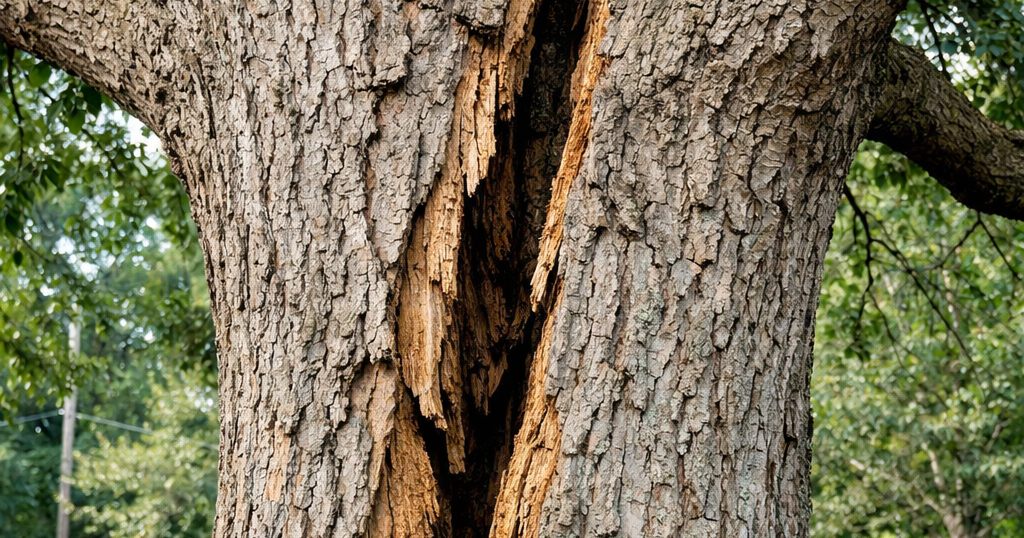
A cracked or split tree trunk refers to any visible separation in the wood of the main stem, ranging from hairline fissures to gaping wounds. These injuries disrupt the tree’s vascular system, weaken its structural support, and expose its inner tissues to external threats. Unlike human wounds, trees don’t ‘heal’ in the same way; they compartmentalize or ‘seal’ over injuries, but the internal damage often remains, creating a permanent weak point.
Different Types of Trunk Cracks
Cracks can manifest in several ways, each with its own implications for tree health and stability. Identifying the type helps assess the urgency.
- Vertical Cracks (Shear or Ribbed): These run along the length of the trunk. Shear cracks often split a stem into two halves, indicating severe structural failure. Ribbed cracks are formed as the tree tries to seal a wound, but movement or environmental stress reopens it.
- Horizontal Cracks: Less common and harder to detect, these cracks run across the grain. They typically signify an advanced stage of internal decay or stress and often indicate imminent failure.
- Frost Cracks: Caused by rapid temperature fluctuations, especially in winter. The outer bark and wood contract and expand at different rates, leading to vertical splits.
- Sun Scald Cracks: Result from intense sun exposure on thin-barked trees, causing damage to the cambium layer and leading to vertical cracks.
Common Causes of Trunk Cracks in Pensacola
Understanding why a trunk cracks helps in prevention and proper treatment. In our local area, specific environmental factors play a significant role.
- Extreme Weather Events: Hurricanes and severe thunderstorms, common in Northwest Florida, exert immense pressure on trees, leading to splits and failures.
- Temperature Fluctuations: Rapid changes in temperature, particularly cold snaps followed by warmer days, cause frost cracking in thin-barked species like maples and sycamores.
- Physical Damage: Impacts from vehicles, lawnmowers, or even improper pruning can create wounds that develop into cracks.
- Poor Branch Structure: Weak branch unions or included bark can create stress points that eventually split the trunk, especially under load.
- Internal Decay: Fungal infections can weaken the wood from the inside out, making the trunk more susceptible to cracking under stress.
The Immediate Dangers of Neglect
Ignoring a cracked trunk immediately jeopardizes the tree’s ability to stand firm, escalating the risk of property damage and personal injury.
Structural Integrity and Catastrophic Failure
A crack means the tree’s natural support system is compromised. This significantly increases its vulnerability, especially during high winds or heavy rain.
- Weakened Support: The crack acts as a fault line, making the tree less able to withstand external forces.
- Increased Sway: During storms, a cracked trunk can sway more violently, exacerbating the split.
- Sudden Collapse: A tree with a compromised trunk can fail unexpectedly, even on a calm day, due to internal decay or accumulated stress.
- Branch Breakage: The weakened trunk may not be able to support its own canopy, leading to large branches breaking off and falling.
Risk to Property and Safety
The potential for harm from a failing tree is immense, affecting everything from your home to those who live in it.
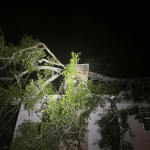
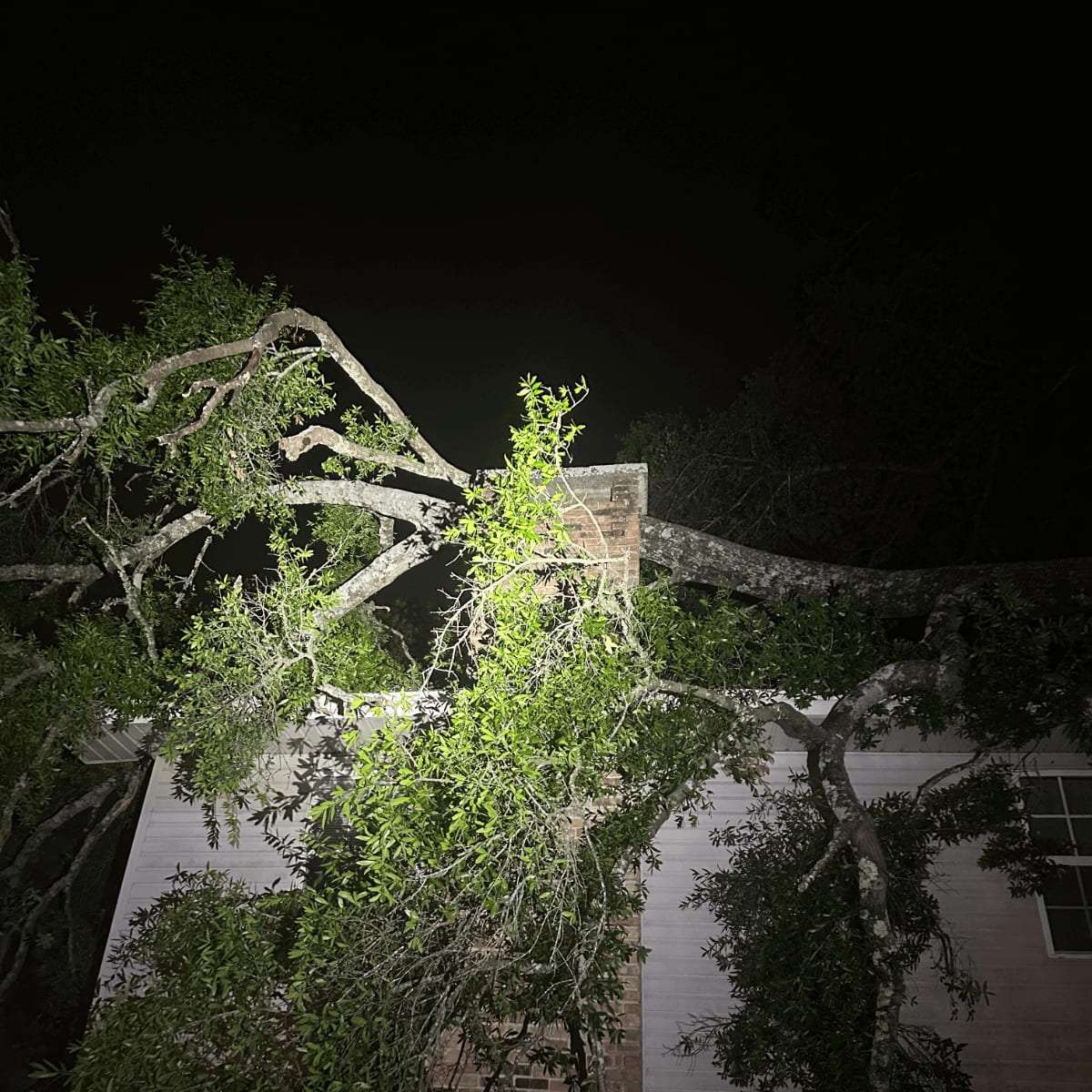
- Property Damage: Falling trees or large branches can crush roofs, vehicles, fences, and sheds. Repair costs can quickly reach tens of thousands of dollars.
- Personal Injury or Death: A falling tree is incredibly dangerous. Serious injuries or fatalities can occur if people are in the vicinity of a collapsing tree.
- Utility Disruptions: Trees falling on power lines can cause widespread outages and create electrical hazards.
- Blocked Access: A fallen tree can block driveways, roads, or emergency access routes, causing significant inconvenience and safety issues.
Long-Term Consequences: Pests, Diseases, and Decay
Beyond immediate physical dangers, a cracked trunk invites a host of biological threats that can lead to the tree’s slow, irreversible decline.
Open Invitation for Pests and Pathogens
Cracks are open wounds, perfect entry points for opportunistic organisms that would otherwise struggle to penetrate a healthy tree’s protective bark. In Florida, this is a particularly acute problem due to our warm, humid climate.
- Insect Infestations: Common in Florida, fungi such as Ganoderma Root Rot, Anthracnose, and Fusiform rust readily infect trees through open wounds, leading to internal decay.
- Fungal Diseases: Common in Florida, fungi such as Ganoderma Root Rot, Anthracnose, and Fusiform rust readily infect trees through open wounds, leading to internal decay.
- Bacterial Infections: Cracks provide access for bacteria that cause diseases like Laurel Wilt, a devastating disease for redbay and other related species, which can spread rapidly.
- Spread to Other Trees: A diseased tree becomes a reservoir, potentially spreading infections to healthy trees on your property or your neighbors’ properties, creating a larger problem.
Progressive Internal Decay and Weakening
Once pests and diseases take hold, the tree’s internal structure begins to break down, accelerating its path to complete failure.
- Hollow Trunks: Fungi often cause internal decay, hollowing out the tree from the inside while the exterior appears relatively intact. This makes the tree a ticking time bomb.
- Reduced Nutrient Flow: Cracks disrupt the cambium layer, which is vital for transporting water and nutrients, starving parts of the tree.
- Increased Susceptibility to Storms: A tree already weakened by decay and cracks is far more likely to fail during even moderate winds, not just hurricanes.
- Irreversible Damage: In many cases, once internal decay is extensive, the tree cannot be saved and must be removed to prevent hazards.
The Escalating Costs of Delay
Delaying professional care for a cracked tree trunk almost always results in higher financial outlays, often coupled with unexpected liabilities.
Initial Repair vs. Emergency Removal Costs
The difference between proactive maintenance and reactive emergency services can be staggering.
- Proactive Care: Addressing a minor crack early with cabling, bracing, or targeted pruning might cost a few hundred to a couple of thousand dollars, depending on the tree’s size and complexity.
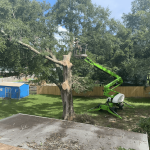
- Emergency Removal: If a tree fails and falls, emergency removal services are significantly more expensive due to the urgency, specialized equipment (like cranes), and hazardous conditions. These costs can easily range from $2,000 to $10,000 or more.
- Property Damage: Repairing damage to your home, vehicle, or other structures can add tens of thousands to the total expense, often far exceeding the cost of preventative tree care.
Legal Liability and Insurance Complications in Florida
Property owners in Florida bear a significant responsibility for maintaining their trees. Negligence can have severe legal and financial repercussions.
- Owner Responsibility: Property owners are generally responsible for maintaining their trees. If a tree falls due to a visible defect that was ignored, you could be held liable for damages to neighbors’ property or injuries to others.
- Insurance Denials: Homeowner’s insurance policies may deny claims for damages caused by a fallen tree if it’s determined that the tree’s failure was due to neglect (e.g., ignoring a long-standing, obvious crack).
- Legal Fees: Defending against liability claims can incur substantial legal fees, adding another layer of financial burden.
- Peace of Mind: Proactive tree care not only saves money but also provides peace of mind, knowing you’ve mitigated risks and fulfilled your responsibilities.
Cost Comparison: Proactive Care vs. Reactive Emergency
Consider this comparison when deciding whether to address a cracked tree trunk immediately or postpone the issue.
| Aspect | Proactive Tree Care (Early Intervention) | Reactive Emergency (Ignoring the Problem) |
| Initial Cost | Typically $300 – $2,500 (cabling, bracing, pruning) | Potentially $2,000 – $10,000+ (emergency removal, crane service) |
| Additional Damage Costs | Minimal to none | Thousands to tens of thousands for home, vehicle, or fence repairs |
| Legal Liability | Low risk because the homeowner took preventative action | High risk of negligence claims and legal costs |
| Insurance Coverage | Preventive care may be covered depending on policy | Claims may be denied if tree neglect is documented |
| Safety Risk | Risk is greatly reduced through monitoring and maintenance | High risk of serious injury or fatal accidents |
| Property Value | Healthy trees improve curb appeal and value | Damaged property and hazardous trees reduce value |
When to Call a Professional: Signs You Can’t Ignore
Knowing when to seek help is critical. Don’t second-guess the health of your trees; rely on the experts.
Visible Signs of Trunk Distress
Your trees often communicate their distress through visible cues. Learning to recognize these signs can prompt timely intervention.
- Deep, Open Cracks: Any crack that extends beyond the bark and into the wood, especially if it’s wide or long.
- Trunk Splitting: If the trunk appears to be splitting into two or more sections, or if a large branch is peeling away from the main stem.
- Included Bark: Where bark is growing inward between two branches or a branch and the trunk, creating a weak union prone to splitting.
- Decay or Fungal Growth: Mushrooms, conks, or soft, crumbling wood near a crack indicate internal decay.
- Leaning or Tilting: A sudden or progressive lean, especially if accompanied by cracks, suggests root or trunk failure.
- Dead or Dying Branches: Extensive dieback in the canopy can signal that the tree is severely stressed or diseased, potentially linked to a trunk issue.
The Importance of a Certified Arborist Assessment
For accurate diagnosis and effective solutions, nothing replaces the expertise of a certified professional. We have ISA Certified Arborists ready to help.
- Expert Diagnosis: An ISA Certified Arborist possesses specialized knowledge to accurately diagnose the cause and severity of trunk cracks, identifying hidden issues.
- Risk Assessment: They can perform a comprehensive tree risk assessment (TRAQ-certified arborists often specialize in this), evaluating the likelihood of failure and potential targets.
- Tailored Solutions: Rather than generic advice, an arborist provides customized treatment plans, whether it’s cabling, bracing, pruning, or removal.
- Safety First: Professionals have the training, equipment, and insurance to safely handle hazardous trees, protecting themselves, your property, and your family.
- Permit Guidance: For Pensacola residents, a local arborist can help navigate the complex permit requirements for tree removal or significant work, ensuring compliance with city ordinances.
Local Regulations and Climate Factors in Pensacola, FL
Pensacola’s unique environment demands specialized knowledge and adherence to local regulations when dealing with tree health issues. Our climate and ordinances directly impact how a cracked tree should be managed.
Pensacola’s Tree Ordinances and Permits
The City of Pensacola has specific rules in place to protect its tree canopy. Ignoring these can lead to fines and legal complications.
- Tree Removal Permits: Most tree removals or significant alterations require a permit from the City of Pensacola. However, under Florida Statute 163.045, residential property owners may be exempt from permit requirements if a certified arborist or licensed landscape architect documents that the tree poses an ‘unacceptable risk’ to persons or property.
- Heritage Trees: Certain large, mature species (e.g., 34 inches or greater in diameter) are classified as ‘Heritage trees’ and receive stricter protection, often requiring an arborist’s assessment for removal.
- Landscape Protection Plans: Permit applications typically require detailed plans showing the tree’s location, size, and species.
- City Arborist Review: All tree removal and pruning requests are handled by the City Arborist, ensuring compliance with local environmental goals.
- Fines for Non-Compliance: Performing unpermitted tree work can result in substantial fines, making professional guidance essential.
How Local Weather Impacts Tree Health
Our coastal location brings unique challenges that stress trees and make them more prone to cracking and disease.
- Hurricane Season: Pensacola is highly susceptible to hurricanes and severe storms. These events are a leading cause of tree failure and trunk splitting.
- Rainfall and Humidity: High annual rainfall and humidity create ideal conditions for fungal and bacterial diseases to thrive, especially when trees have open wounds.
- Temperature Swings: Rapid temperature drops can cause frost cracking in thin-barked trees, a common issue in our area.
- Saltwater Intrusion: For trees near coastal areas, saltwater can stress root systems, making trees more vulnerable to other issues.
- Year-Round Growing Season: While beneficial for growth, this also means pests and diseases can be active year-round, requiring continuous vigilance.
Proactive Solutions and Expert Tips
Addressing a cracked tree trunk often requires more than just removing it. Proactive measures and expert care can extend a tree’s life and prevent future issues.
Cabling and Bracing for Stability
For trees with minor splits or weak unions, structural support systems can be a viable alternative to removal, providing stability and allowing the tree to compartmentalize the wound.
- Cabling: Involves installing high-strength steel cables between major limbs to limit their movement and reduce stress on weak crotches or cracked areas.
- Bracing: Uses rigid rods inserted through a weak or split union to provide more direct support, often used in conjunction with cabling.
- Professional Installation: These systems must be installed by experienced arborists to ensure proper tension, placement, and material selection, preventing further damage.
- Regular Inspection: Cabling and bracing systems require periodic inspection and adjustment as the tree grows to maintain effectiveness.
Proper Pruning and Tree Health Management
A healthy tree is a resilient tree. Proper maintenance is your best defense against cracks and other vulnerabilities.
- Crown Reduction/Thinning: Strategically removing excess weight from the canopy reduces stress on the trunk and improves wind resistance.
- Deadwood Removal: Eliminating dead or diseased branches prevents them from falling and reduces entry points for pests and pathogens.
- Structural Pruning: Shaping young trees to develop strong, well-spaced branches can prevent future weak unions and cracks.
- Regular Health Checks: Periodic inspections by a certified arborist can catch potential issues early, before they become severe.
- Proper Watering and Nutrition: Ensuring trees receive adequate water and nutrients helps them maintain vigor and resilience against stress.
Frequently Asked Questions
What is the primary danger of a cracked tree trunk?
A cracked tree trunk compromises structural integrity, making the tree prone to falling branches or complete collapse. This creates significant hazards to people, homes, vehicles, and other property, especially during severe weather events.
Can a cracked trunk attract pests and diseases?
Yes, cracks expose the tree’s inner wood, serving as direct entry points for pests like the redbay ambrosia beetle and various fungal diseases common in Florida, such as Laurel Wilt and Ganoderma Root Rot. These can further weaken and kill the tree.
How do costs change if I delay fixing a cracked tree?
Costs for neglected trees often escalate significantly. A minor crack might only need cabling for a few hundred dollars, while a tree that collapses due to neglect could require emergency removal costing thousands, plus property damage repairs and potential legal fees.
What are the common signs of a dangerous cracked trunk?
Look for visible splits, deep fissures, or sections of the trunk appearing to separate. Also, watch for signs of decay, unusual growth, or branches dying off above the crack, which can indicate severe internal damage.
Are there local regulations for removing or treating cracked trees in Pensacola, FL?
In Pensacola, permits are often required for tree removal or significant alteration, especially for ‘Heritage trees.’ An arborist’s assessment is frequently needed. Non-compliance can lead to fines, so always check with the City Arborist.
Can I fix a cracked tree trunk myself?
While DIY might seem cheaper, a cracked trunk demands expert diagnosis and precise intervention to prevent further damage or injury. Professionals have the experience, tools, and insurance to handle hazardous situations safely and effectively.
Protect Your Property From Cracked Tree Trunk Dangers
Ignoring a cracked or split tree trunk isn’t just a minor oversight; it’s a direct invitation for escalating dangers, costly repairs, and potential liability. From immediate structural failure to long-term pest infestations and diseases, the consequences grow with every day of neglect. For residents in the local area, understanding these risks and acting swiftly is crucial. Don’t wait for a small crack to become a catastrophe. Contact D’s Trees today for a professional assessment and expert solutions that protect your property and peace of mind. Our ISA-certified arborists are ready to assess the risk and recommend the safest solution.